 Pin It
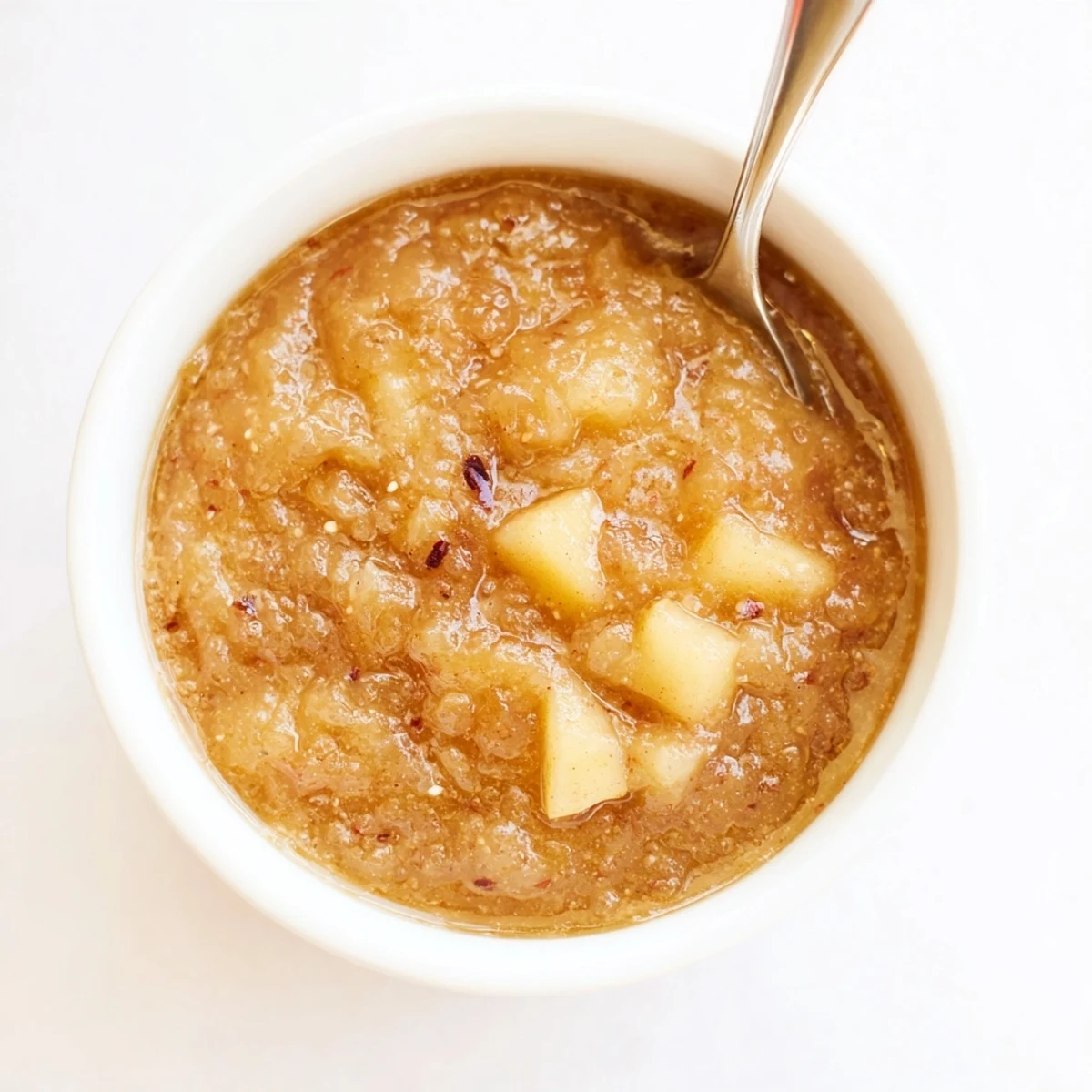
 This fall-inspired preserve combines 6 cups chopped apples with lemon juice and cider, simmered until tender, then sweetened with granulated and brown sugars and enriched with butter. Ground cinnamon, nutmeg, and allspice deepen the flavor; liquid pectin ensures set. Cook to a golden caramel color, jar while hot, and process in a boiling water bath for safe storage—yields six half-pint jars.
You wouldn’t believe the aroma that once filled my kitchen as I hovered over a bubbling pot of caramel apple jam in early October sunlight. The blend of apples, sweet cream, and spiced warmth practically wrapped around me like a flannel blanket. A little caramel smoke rose from the sugar, and that was when I knew I was onto something better than store-bought. Developing this jam recipe turned even a gray weekday into a moment of fall magic.
I once made a double batch the night before a road trip for my friends: after a kitchen nap, I found a couple of sleepy taste-testers fishing jam from the pot with the last heel of bread. It was gone before sunrise, but the laughter and sticky fingers made all the effort worthwhile.
Ingredients
- Apples (6 cups, peeled, cored, finely chopped): The type matters—a mix of tart and sweet apples brings balance, and uniform dicing helps everything cook evenly.
- Lemon juice (1/4 cup): Fresh juice brightens the apples and helps prevent browning (bottled just isn’t the same here).
- Granulated sugar (2 cups) & light brown sugar (1 cup): Combining both lets you hit a deeper caramel note without overpowering the apples.
- Unsalted butter (1/2 cup, cubed): Helps the sugars melt smoothly and rounds out the jam with richness—use unsalted for pure flavor.
- Ground cinnamon (2 teaspoons) & nutmeg (1/2 teaspoon) & allspice (1/4 teaspoon): These spices transform the whole pot into a fragrant, warming treat—grate the nutmeg fresh if you can.
- Salt (1/2 teaspoon): Just enough to balance the sweetness; don’t skip it.
- Liquid pectin (1 pouch, 3 oz): Makes sure the jam sets softly but not too firmly—it goes in right after the boil.
- Apple cider (or apple juice, 1/2 cup): Cider gives a fuller, deeper apple flavor—if you have homemade, use it!
- Water (1/4 cup): Keeps things moving as it all simmers together and prevents sticking at the start.
Instructions
- Get the apples simmering:
- Tumble the chopped apples into your largest heavy pot with lemon juice, cider, and water; as the heat rises, you’ll hear them start to sizzle and sigh.
- Soften and mash for texture:
- After about ten minutes, when the apples yield under your spoon, grab a masher or immersion blender for a rustic mash—leaving plenty of texture is key.
- Add sugars and spices:
- Tip in both sugars, cinnamon, nutmeg, allspice, and salt, then stir slowly until the grains completely dissolve in the steamy fruit mixture.
- Bring on the caramel and buttery richness:
- Add butter, letting it melt and swirl, and watch as the jam thickens and deepens in color over the next twenty minutes; stir gently but don’t stop, so nothing scorches.
- Set the jam:
- Raise the heat to a boil, then squeeze in the pectin and let it bubble briskly for just a minute or two—after that, remove the pot from the heat to arrest the set.
- Fill and seal your jars:
- Skim off any foam, then ladle the hot, fragrant jam into sterilized jars, leaving a little space at the top; wipe the rims, cap them, and give the jars a ten-minute water bath if you plan to store them.
- Cool and store:
- Let the jars cool undisturbed on a towel; you’ll hear little pops as they seal, and once cool, stash them in a dark cupboard for the season—or dig right in.
 Pin It
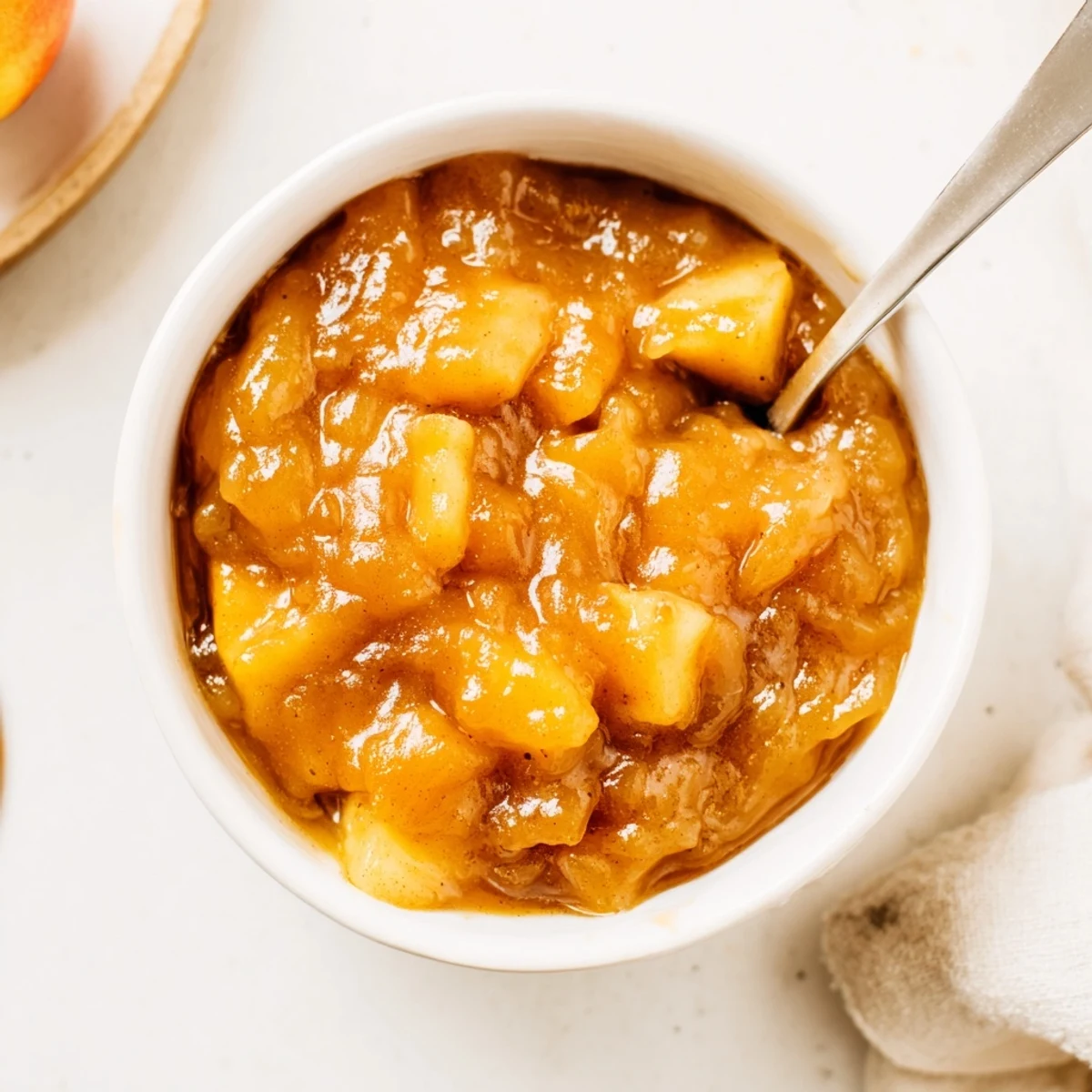
 Serving this jam on warm toast for an impromptu autumn breakfast one chilly morning turned an ordinary meal into a table full of smiles and good conversation—it’s the kind of recipe that creates its own little moments.
Ways to Use Your Caramel Apple Jam
Beyond toast, it adds a sweet layer to apple tarts or spices up oatmeal for breakfast. Sometimes I’ll swirl it into plain yogurt, or use it as a surprise filling for thumbprint cookies that vanish from the plate.
Canning for Beginners—Dont Stress
If water bath canning sounds intimidating, know that I once overfilled every jar the first time and it still tasted great. Simply leave that quarter inch of headspace and trust the process—the jam will keep beautifully for months on the shelf.
Troubleshooting & Last Touches
Sometimes, no matter how closely you follow the steps, your jam might set a little softer—but it’s still amazing on pancakes or ice cream. Closing the kitchen with a waft of spice lingering in the air just feels like autumn itself.
- If you want an especially deep caramel note, take some sugar and caramelize it separately.
- Use pears for part of the apples for a twist—they blend seamlessly.
- Remember, this spread is a truly thoughtful edible gift and always appreciated.
 Pin It
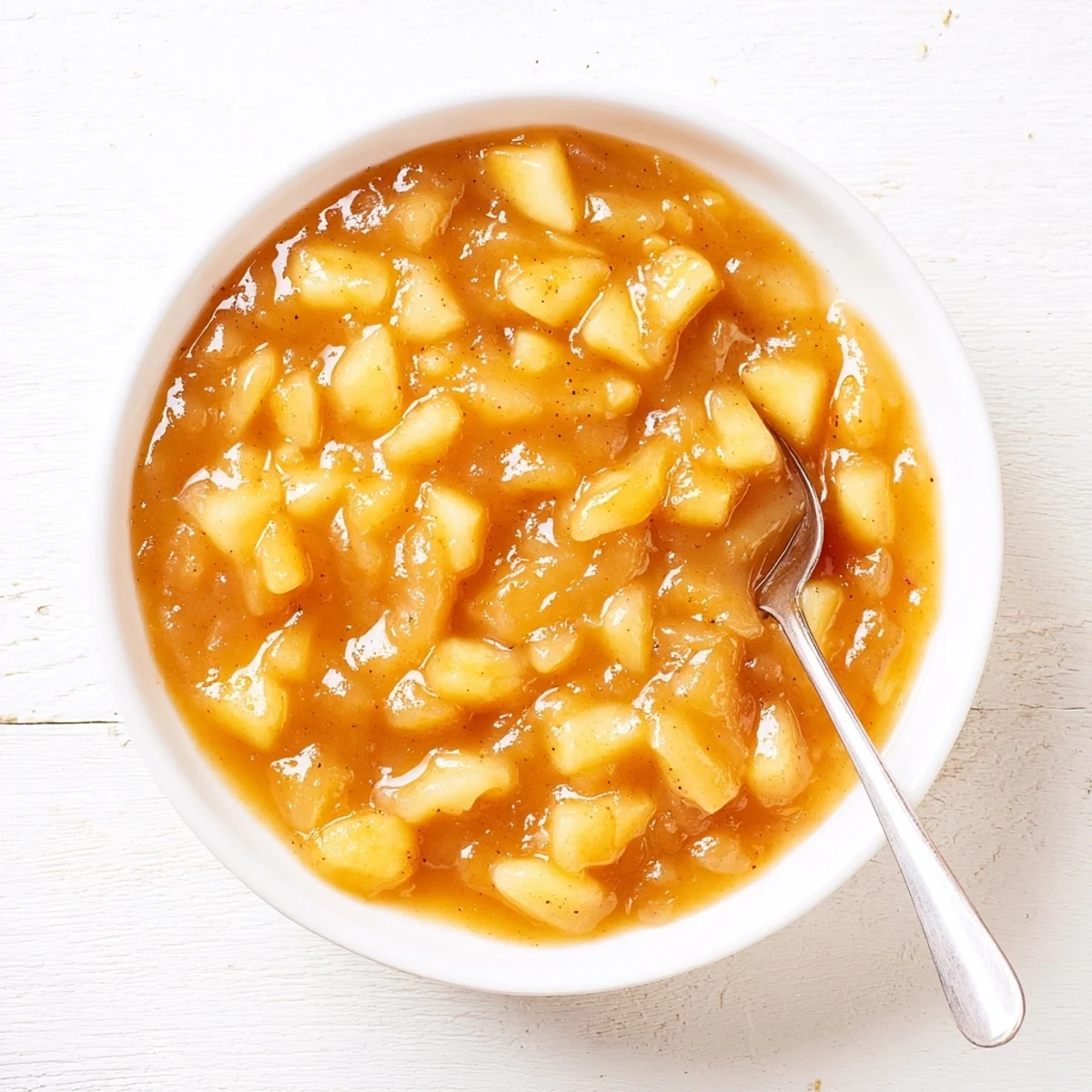
 I hope a jar of this caramel apple jam brings you as much cozy delight as it has to my table. Share it with someone if you can—the smiles are worth it.
Recipe Questions & Answers
- → How long does an unopened jar keep?
-
When sealed and stored in a cool, dark place, jars will keep up to a year. After opening, refrigerate and use within 4–6 weeks for best flavor and texture.
- → Can I use pears instead of some apples?
-
Yes—substituting pears for up to half the apples adds a softer, floral sweetness. Reduce added sugar if pears are very ripe and monitor cook time, as pears break down faster.
- → How can I deepen the caramel flavor?
-
For a richer caramel note, cook the sugars separately to a light amber before adding, or brown the butter slightly. Watch closely to avoid bitterness from overcooking.
- → What prevents the mixture from scorching?
-
Use a large, heavy-bottomed pot, keep heat at medium, stir frequently, and scrape the bottom gently. If sugars begin to stick, lower the heat and continue stirring until they dissolve.
- → How does the liquid pectin affect setting?
-
Liquid pectin helps the spread gel reliably after a full, hard boil for 1–2 minutes. If the set seems loose, cook a little longer to concentrate the fruit and sugars, then re-test on a chilled plate.
- → What are suggested serving ideas?
-
Spread on toast, swirl into oatmeal or yogurt, use as a filling for pastries, or pair with mild cheeses. Warm slightly to make spreading easier on cold bread.