
 Pin It
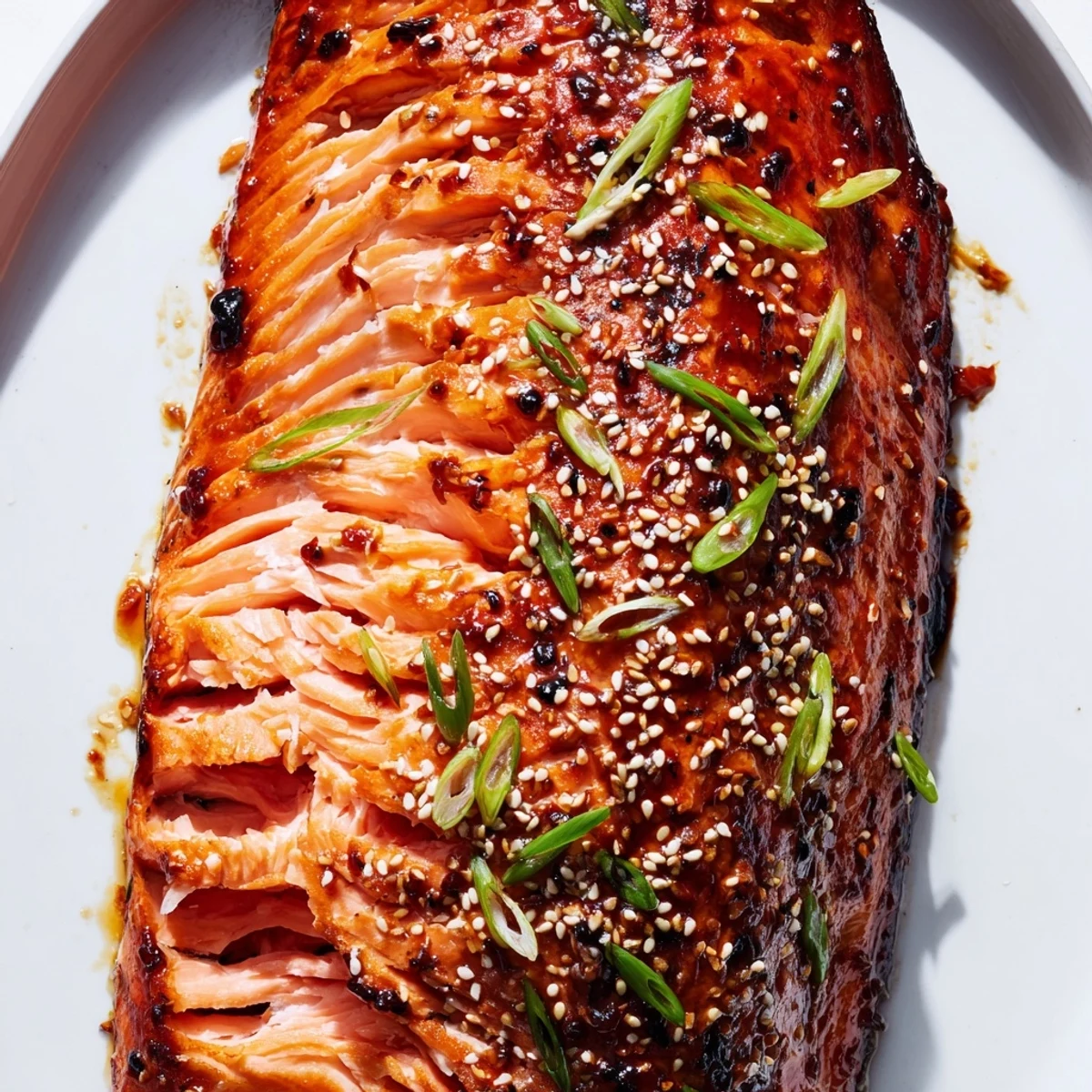
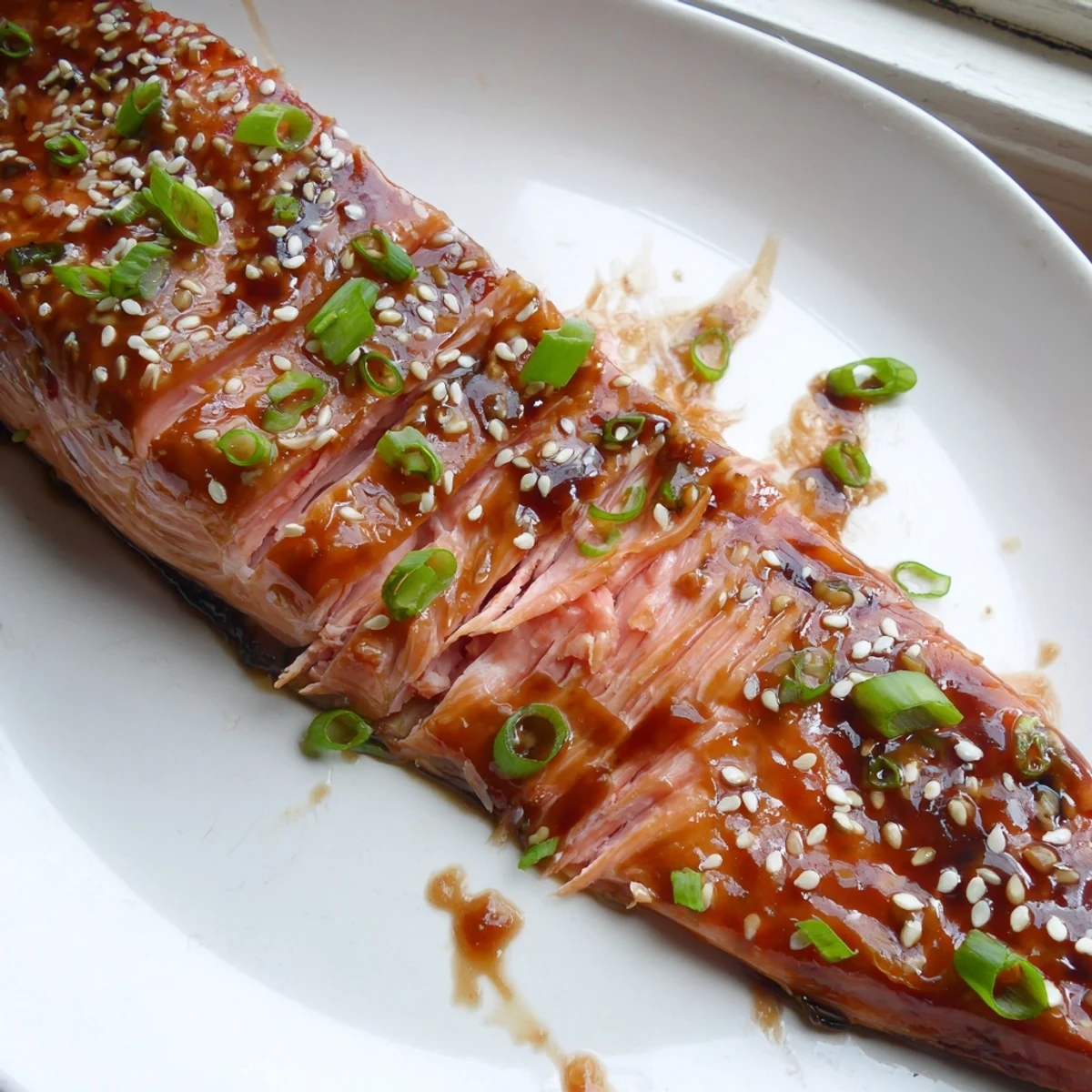
 This baked Asian salmon brings together soy sauce, honey, sesame oil, fresh ginger, and garlic into a rich savory-sweet glaze that caramelizes beautifully in the oven. The salmon bakes at 200°C for 15-18 minutes until perfectly flaky and tender.
With just 10 minutes of prep and simple pantry staples, it's an ideal weeknight dinner that feels elevated. The glaze balances sweet, salty, and umami flavors, while a touch of sriracha adds optional heat.
Garnished with toasted sesame seeds and sliced green onions, this dish pairs wonderfully with steamed jasmine rice and sautéed vegetables for a complete meal.
The smell of sesame oil toasting in a hot oven changed my Tuesday night dinners forever. I had bought a massive salmon fillet on impulse, stared at it for ten minutes, and then rummaged through my pantry door until soy sauce, honey, and ginger stared back at me. That first batch came out lacquered and sticky, the kind of dish that makes you close your eyes after the first bite. Now it shows up on my table at least twice a month, no occasion required.
My neighbor knocked on my door one evening asking what I was cooking because the hallway smelled unbelievable. I handed her a plate with the leftover fillet and she stood in the doorway eating it with a plastic fork, nodding silently until every scrap was gone.
Ingredients
- 4 salmon fillets (about 170 g each): Skin on holds together better during baking but skinless works fine if that is what you have.
- 60 ml soy sauce: The backbone of the glaze, use a good quality one and go gluten free if needed.
- 2 tbsp honey or maple syrup: This is what creates that gorgeous sticky lacquer as it bakes.
- 1 tbsp sesame oil: Just a small amount adds an unmistakable toasty depth that pulls everything together.
- 2 tbsp rice vinegar or lime juice: A bright acid to keep the sweetness from taking over.
- 1 tbsp fresh ginger, grated: Fresh matters here, the dried version will not give you the same warmth.
- 2 cloves garlic, finely minced: Smash them first and the flavor distributes more evenly through the marinade.
- 1 tbsp sriracha or chili paste (optional): Skip it for mild or add more if you like it assertive.
- 1 tsp toasted sesame seeds: Mostly for looks but they add a pleasant little crunch.
- 2 tbsp green onions, finely sliced: Scatter them on at the very end so they stay sharp and fresh.
Instructions
- Preheat and prepare your pan:
- Set your oven to 200C (400F) and line a baking tray with parchment paper or foil so cleanup is effortless.
- Whisk the glaze together:
- In a bowl, combine the soy sauce, honey, sesame oil, rice vinegar, ginger, garlic, and sriracha if using, whisking until the honey dissolves and everything looks unified.
- Coat the salmon:
- Place the fillets on your prepared tray and spoon the marinade over each one generously, saving a tablespoon or two for finishing if you like extra sauciness.
- Let it rest briefly:
- Give the salmon ten minutes at room temperature to soak in the flavors while the oven finishes heating.
- Bake until just right:
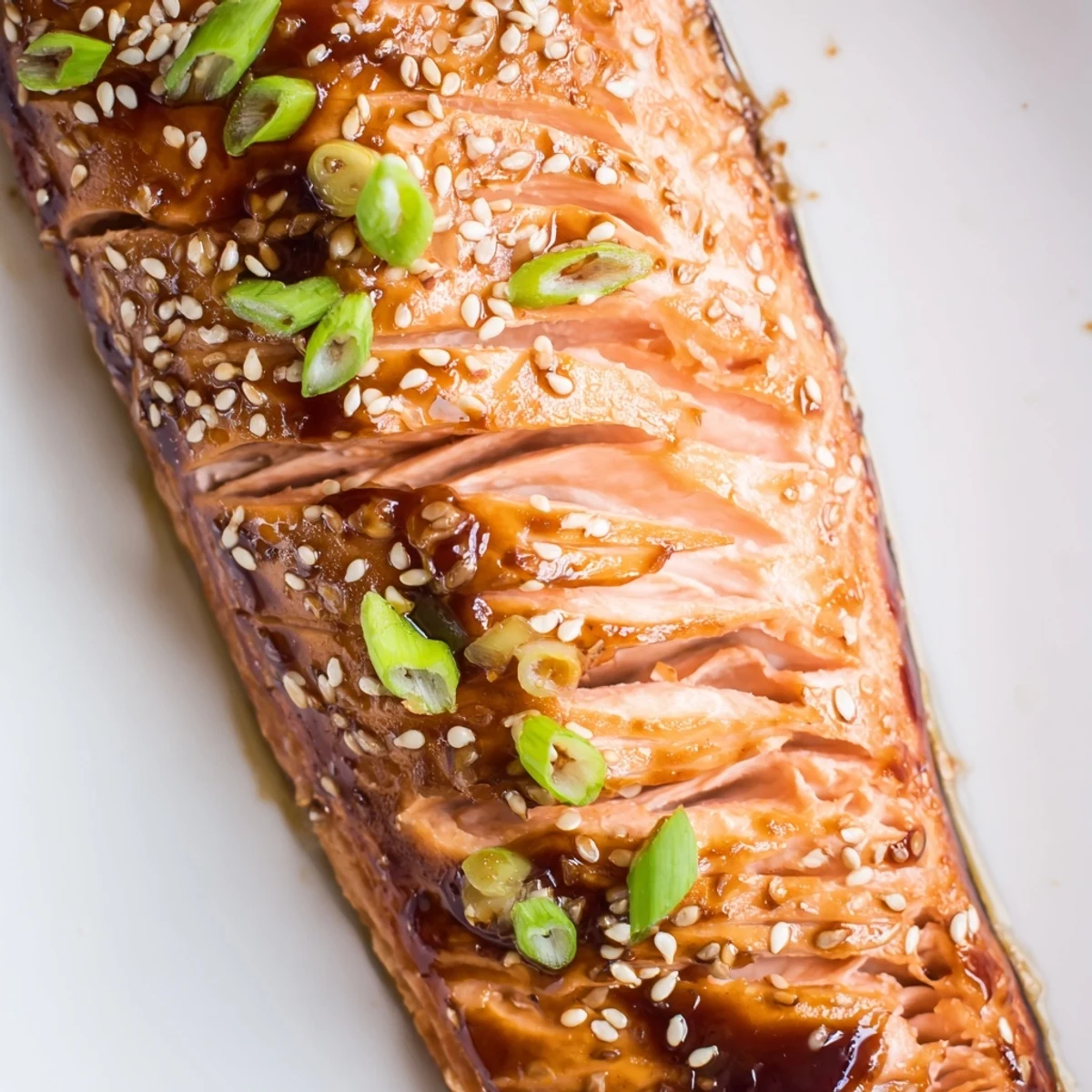
- Slide the tray into the oven and bake for 15 to 18 minutes, watching for the moment the fish flakes easily and the glaze turns golden and bubbly on top.
- Finish and serve:
- Drizzle any reserved marinade over the hot fillets, sprinkle with sesame seeds and green onions, and serve immediately while the edges are still slightly caramelized.
 Pin It
 I made this for my mothers birthday once, fully expecting her to request her usual roast chicken. She asked for seconds, then quietly packed a portion to take home.
What to serve alongside
Steamed jasmine rice is the obvious choice because it soaks up every drop of the extra glaze. Sautéed bok choy with a splash of soy sauce makes a quick companion that rounds out the plate. An Asian inspired slaw with sesame dressing also works beautifully if you want something crisp and cold against the warm fish.
Marinade timing
Ten minutes at room temperature is enough to get good flavor into the fish. If you have the foresight, thirty minutes in the fridge makes a noticeable difference, especially on thicker fillets. I have also tossed the salmon in the glaze in the morning before work and come home to the best version of this dish.
Leftovers and reheating
Cold leftover salmon over rice the next day is genuinely one of my favorite lunches. If you prefer it warm, reheat gently in a low oven so the fish does not dry out. A few things to keep in mind as you plan.
- Store leftover salmon in an airtight container and consume within two days for best quality.
- The glaze will thicken in the fridge, so add a splash of water when reheating.
- Never microwave on high, use thirty second bursts at half power if you are in a hurry.
 Pin It
 This is the kind of recipe that makes you feel capable and spoiled at the same time, which is the best thing home cooking can offer. Keep these ingredients stocked and you will never dread a weeknight dinner again.
Recipe Questions & Answers
- → Can I use frozen salmon fillets instead of fresh?
-
Yes, frozen salmon works well. Thaw it completely in the refrigerator overnight before marinating and baking. Pat the fillets dry with paper towels to ensure the glaze adheres properly and you get good caramelization.
- → How do I know when the salmon is fully cooked?
-
The salmon is done when it flakes easily with a fork and reaches an internal temperature of 63°C (145°F). The flesh should be opaque throughout but still moist. Avoid overcooking as it will become dry.
- → What can I substitute for soy sauce to make this gluten-free?
-
Use tamari or coconut aminos as a direct substitute for soy sauce. Both options keep the glaze gluten-free while maintaining that savory umami flavor. Coconut aminos are slightly sweeter, so you may want to reduce the honey slightly.
- → Can I prepare the marinade ahead of time?
-
Absolutely. The marinade can be whisked together and stored in an airtight container in the refrigerator for up to 5 days. You can also marinate the salmon for up to 30 minutes in the fridge for deeper flavor penetration.
- → What sides go best with this Asian salmon?
-
Steamed jasmine rice or coconut rice makes a perfect base. For vegetables, try sautéed bok choy, steamed broccoli, or an Asian-inspired slaw with sesame dressing. Stir-fried snap peas or garlic green beans also complement the flavors beautifully.
- → How do I get a crispier top on the salmon?
-
After baking, switch your oven to broil and cook the salmon for an additional 1-2 minutes. Watch it closely to prevent burning. This creates a slightly caramelized, crispy glaze on top while keeping the interior moist and flaky.