
 Pin It
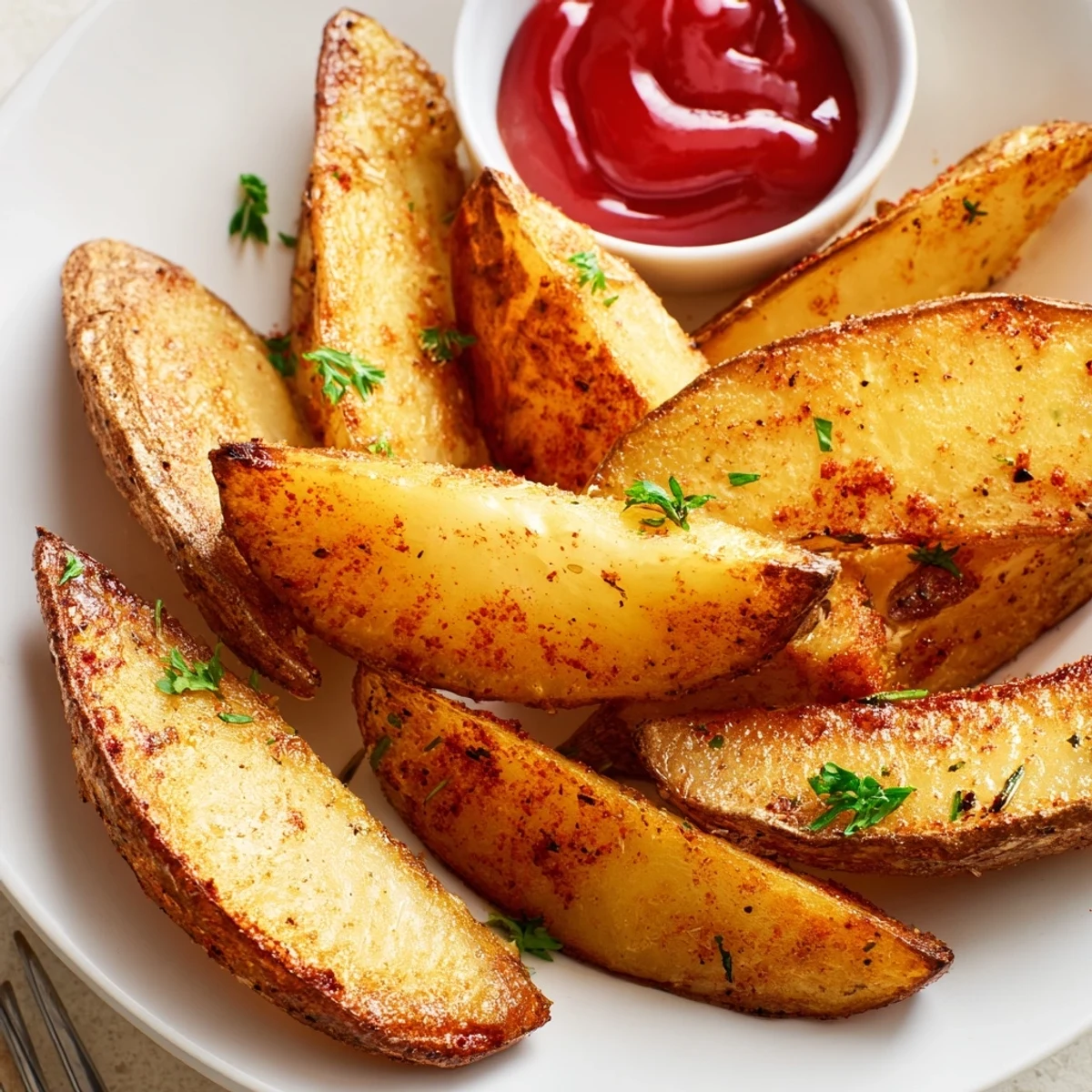
 Quick method for oven-baked potato wedges: halve large russets and cut into uniform wedges, toss with olive oil, garlic powder, paprika, rosemary, salt and pepper. Bake at 220°C (430°F) on a single-layer sheet for 30–35 minutes, turning once for even browning. For extra crispness, soak in cold water 30 minutes and pat dry. Finish with chopped parsley and serve hot with your favorite dip.
Some recipes don’t need a special occasion; the sudden craving for something crisp and warm on a rainy afternoon was all it took to try these potato wedges. I remember the satisfying thunk of my knife hitting the cutting board, each potato releasing a faint earthy scent as I sliced it open. The sound of wedges crackling on the baking sheet told me I was onto something much more tempting than takeout fries. Sometimes the best discoveries start with simple ingredients and an urge for comfort.
One cozy Sunday, I made a double batch for a movie night and almost missed the film because everyone kept heading back to the kitchen for just one more wedge. The kitchen filled with laughter and chatter as I flipped them halfway through baking—everyone insisted on watching, eager for a taste as soon as they were ready. There’s something about a golden sheet of freshly roasted potato wedges that brings people together without even trying.
Ingredients
- Russet potatoes: Go for large, unpeeled tubers—leaving the skin on gives each wedge a rustic crunch and saves time on peeling.
- Olive oil: Just enough to coat the potatoes and help them crisp beautifully—use the good stuff if you have it.
- Garlic powder: Adds subtle depth without overwhelming the potatoes and clings better than fresh garlic when baked.
- Paprika: Choose sweet or smoked depending on your mood; it brings color and gentle warmth.
- Dried rosemary (optional): Toss some in for a herby aroma that sneaks up as you eat.
- Salt & pepper: Season generously; potatoes love both, and a little extra black pepper never hurt anyone.
- Fresh parsley (optional): Scatter at the end for freshness and that inviting pop of green—skip it if you’re feeling lazy.
Instructions
- Heat things up:
- Fire up your oven to 220°C (430°F) and line a sturdy baking sheet with parchment paper so nothing sticks.
- Slice with confidence:
- Quarter each potato lengthwise, then slice those pieces in half again to make thick, sturdy wedges—don’t worry if they’re not perfect.
- Season for success:
- Toss the wedges into a big bowl with olive oil, garlic powder, paprika, optional rosemary, salt, and pepper and use your hands to make sure every chunk is coated.
- Lay them out:
- Arrange the wedges in a single layer, skin-side down as much as possible—they need space to crisp, so don’t pile them up.
- Bake and wait:
- Slide the tray into the oven, set a timer for halfway, and flip the potatoes once—they’ll turn a deep gold and smell incredible when done after 30–35 minutes.
- Finish and serve:
- Sprinkle with fresh parsley as soon as they’re out of the oven, then get them onto plates while they’re still piping hot and crunchy.
 Pin It
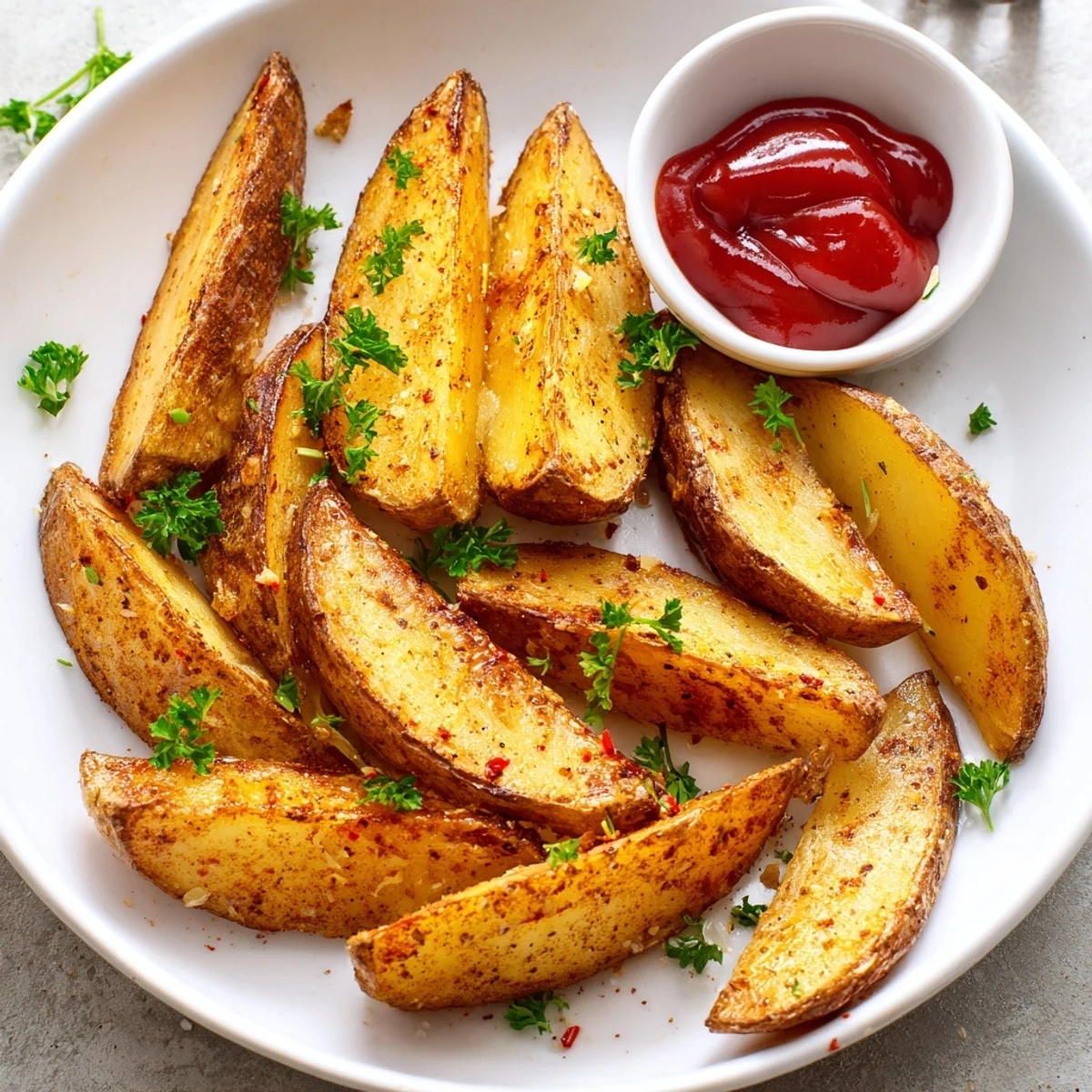
 The first time these came out perfectly golden, my friend took a bite and actually danced around the kitchen—suddenly, simple potato wedges felt like a reason to celebrate. Seeing everyone’s fingers reach for the last few crumbs made it clear: this recipe makes memories, not just snacks.
What to Serve With These Wedges
I’ve paired these wedges with grilled veggie burgers, added them to movie night spreads, and even served them alongside eggs for brunch—they steal the show every time. Sometimes I just throw together a quick aioli or grab whatever dip is lurking in the fridge; the wedges never complain. You’ll be surprised at how quickly they disappear no matter what you serve them with.
Customizing the Crunch
Once, I scattered a pinch of chili flakes over the batch for late-night snacks, and it was just the right amount of heat. Parmesan shavings after baking are another favorite for a salty, cheesy edge—try both if you’re feeling daring. If you happen to have leftover wedges (rare), reheat them briefly in a hot oven and they come right back to life.
Potato Wedge Success—Final Thoughts
Baking instead of frying changed my wedge game forever, mostly because I could make twice as many and not feel guilty. Experimenting with different herbs and seasonings turned each batch into its own adventure. If you're seeking the classic flavor, keep things simple and trust the process.
- For effortless clean-up, use parchment paper every time.
- Don’t rush the bake; patience is your friend.
- Always taste for seasoning before serving—you won’t regret it.
 Pin It
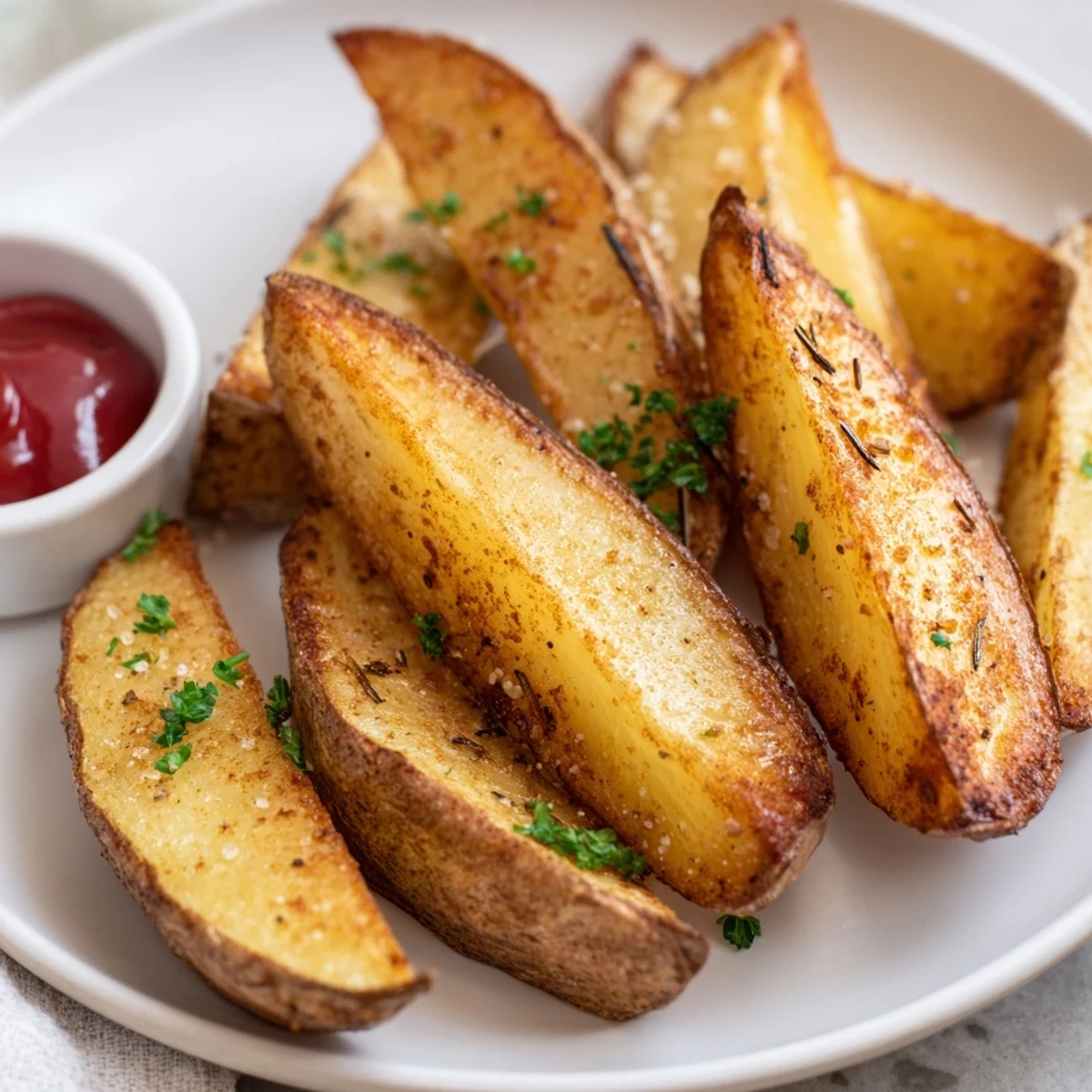
 When the craving for comfort hits, these wedges have you covered—no deep fryer or fuss required. I hope they bring a little warmth and crunch to your table too.
Recipe Questions & Answers
- → How do I get the crispiest edges?
-
Soak cut wedges in cold water for 30 minutes to remove excess starch, then dry thoroughly. Toss with enough oil to coat and spread in a single layer on a hot baking sheet; high oven heat and a flip halfway through promote crisp, golden edges.
- → Can I use a different potato variety?
-
Russets give a fluffy interior and crisp exterior thanks to their high starch. Yukon Golds work too for a creamier center, but you may get slightly less crunch compared with russets.
- → What temperature and timing work best?
-
Bake at 220°C (430°F) for 30–35 minutes, turning once about halfway through. Thicker wedges may need a few extra minutes; aim for golden edges and a tender center when pierced with a fork.
- → How can I vary the seasoning?
-
Basic garlic powder and paprika are versatile—add chili flakes for heat, grated Parmesan for umami, or smoked paprika for depth. Fresh herbs like chopped parsley brighten the finish after baking.
- → Are there make-ahead or reheat tips?
-
Par-bake wedges, cool, and refrigerate for up to a day; finish in a hot oven to restore crispness. Reheat in a 200°C (400°F) oven or air fryer for best results rather than the microwave.
- → What dips pair well with these wedges?
-
Classic ketchup and aioli are popular; try tangy yogurt-dill, spicy sriracha mayo, or cheddar-based dips for different flavor profiles that complement the paprika and garlic seasoning.