
 Pin It
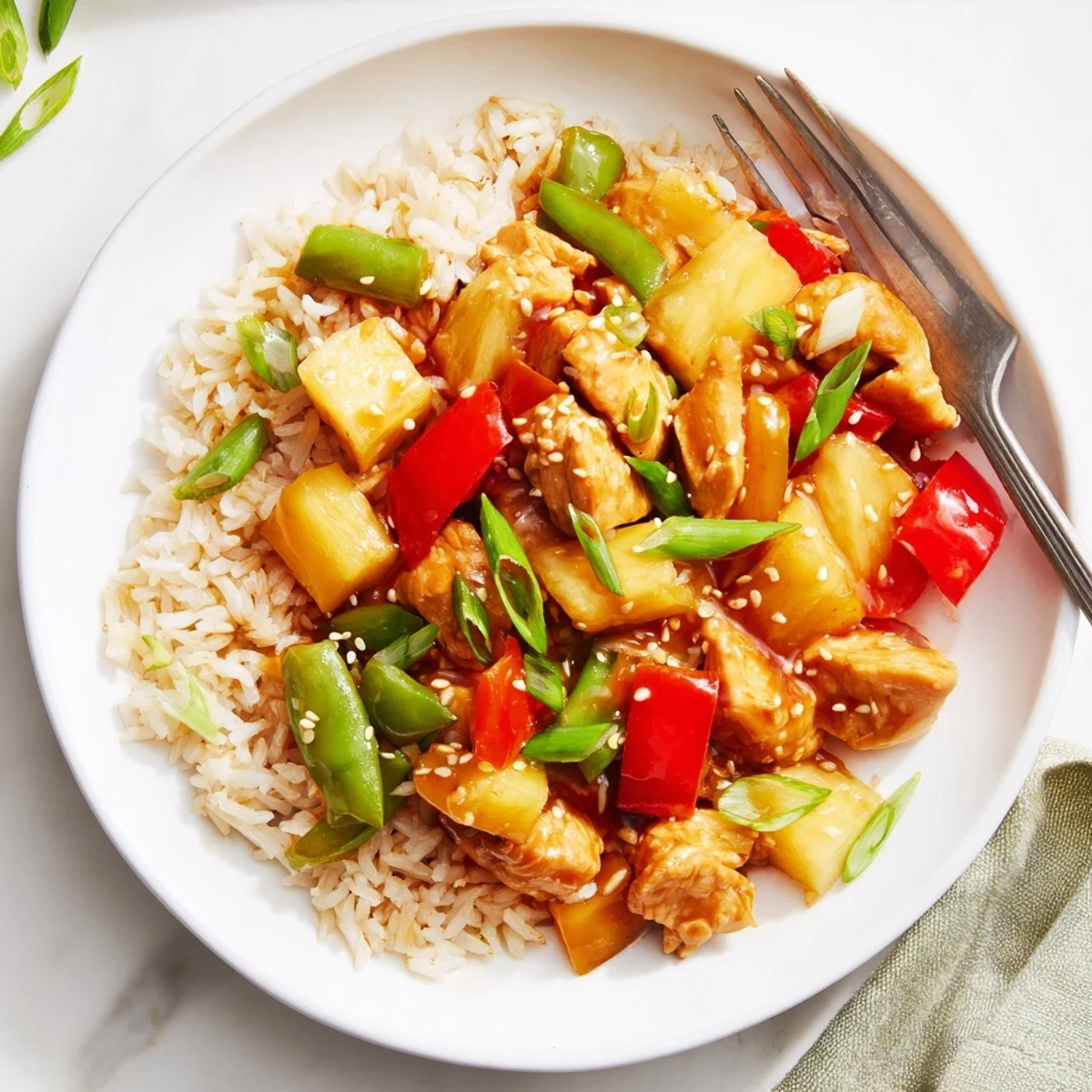
 This pineapple chicken and rice pairs seared bite-sized chicken with juicy pineapple, bell pepper and snap peas in a glossy soy-pineapple glaze. Whisk soy, pineapple juice, rice vinegar, honey and cornstarch for the sauce, brown the chicken, stir-fry aromatics and vegetables, then finish by folding in day-old jasmine rice until heated through. Simple swaps include tamari for gluten-free cooking or tofu for a vegetarian option; total time about 40 minutes.
The sizzle of chicken hitting a screaming hot wok on a Tuesday evening is its own kind of therapy, and this pineapple chicken and rice has been my go-to therapy session for the better part of three years. It started during a stretch of weeks when takeout menus were piling up on my kitchen counter and my wallet was staging a quiet protest. Something about the sweet caramelized edges of pineapple meeting salty soy sauce made me feel like I had figured something out, even if the rest of the week was chaos.
My neighbor Dave knocked on my door one evening asking if I had a corkscrew, and instead I handed him a plate of this over the threshold. He stood there in the hallway eating with a fork, forgot about the wine entirely, and now he texts me every Monday asking if tropical chicken is on the menu.
Ingredients
- 1 lb boneless, skinless chicken breast, cut into bite sized pieces: Cut them roughly the same size so they cook evenly and nobody gets a rubbery surprise.
- 1 cup fresh pineapple, diced: Fresh is a game changer here because the juices caramelize in the pan in a way canned pineapple can only dream about.
- 1 red bell pepper, chopped: The sweetness plays beautifully with the pineapple and the color makes the whole dish look like a sunset on a plate.
- 1 cup sugar snap peas, trimmed: They bring a satisfying crunch that keeps every bite interesting.
- 3 green onions, sliced: Save a handful for garnish because the raw bite on top is the finishing touch.
- 2 cloves garlic, minced: Fresh garlic only, no exceptions, because the aroma hitting hot oil is half the experience.
- 1 inch piece fresh ginger, grated: Grate it directly into the pan so none of the spicy warmth escapes.
- 2 cups cooked jasmine or basmati rice, day old preferred: Day old rice is drier and fries up fluffy instead of turning into a gummy mess.
- 1/4 cup soy sauce or tamari: Tamari keeps this gluten free and actually has a richer, deeper flavor than regular soy sauce.
- 2 tbsp pineapple juice: If you are cutting a fresh pineapple, save the juice that pools on the cutting board because it is liquid gold.
- 1 tbsp rice vinegar: A small splash of acid balances the sweetness and makes the whole dish sing.
- 1 tbsp honey or brown sugar: Honey gives a more floral sweetness while brown sugar leans into a molasses warmth.
- 1 tsp sesame oil: Just a teaspoon is all you need for that toasty, nutty undertone.
- 1 tsp cornstarch: This is the secret to turning a watery sauce into something that clings to every piece of chicken.
- 2 tbsp vegetable oil: You need a neutral oil with a high smoke point for proper stir frying.
- Salt and black pepper: Season the chicken before it hits the pan and taste the finished dish before adding more.
Instructions
- Mix the sauce:
- Whisk together the soy sauce, pineapple juice, rice vinegar, honey, sesame oil, and cornstarch in a small bowl until smooth. Set it aside and give it one more stir right before you pour it in because cornstarch loves to settle at the bottom.
- Sear the chicken:
- Heat one tablespoon of vegetable oil in a large skillet or wok over medium high heat until it shimmers. Add the chicken pieces in a single layer, season with salt and pepper, and let them sit undisturbed for two minutes so they develop a golden crust before you start tossing.
- Build the vegetable base:
- Add the remaining oil to the pan, then toss in the garlic and ginger for about thirty seconds until your kitchen smells incredible. Throw in the bell pepper and snap peas and stir fry for three to four minutes until they are tender crisp and still brightly colored.
- Bring it all together:
- Return the chicken to the pan, add the pineapple and green onions, and pour in the sauce. Toss everything vigorously and let it simmer for two to three minutes until the sauce thickens into a beautiful glossy coating.
- Add the rice:
- Fold in the cooked rice and toss gently so each grain gets coated in sauce without breaking apart. Heat through for about two minutes, then serve immediately with extra green onions and a sprinkle of sesame seeds if you have them handy.
 Pin It
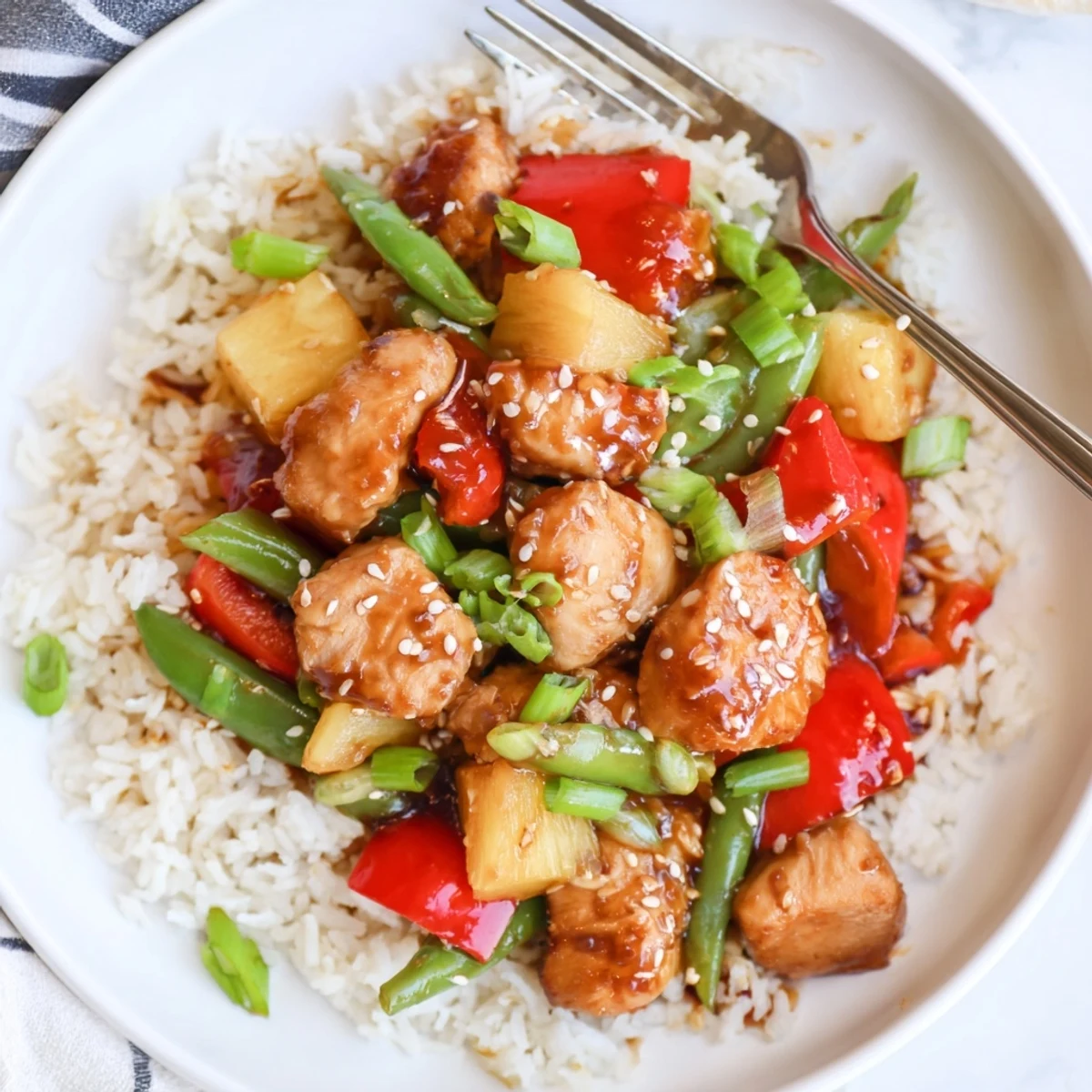
 There is a specific moment when the sauce hits the hot pan and bubbles into a thick glaze that makes me close my eyes and just breathe it in, sweet and salty and faintly tropical all at once.
Making It Your Own
Throw in a sliced chili or half a teaspoon of chili flakes when the garlic goes in if you want heat that cuts through the sweetness in the best way. I have swapped the chicken for pressed tofu cubes on nights when the vegetarian friend comes over and it works beautifully, just pat the tofu dry and press it firm before searing. A handful of cashews tossed in at the end adds a rich crunch that nobody will complain about.
What to Serve Alongside
A glass of crisp Riesling sitting next to this plate is a combination that makes a random Wednesday feel like a mini vacation. A simple cucumber salad with rice vinegar on the side keeps things light and refreshing without competing with the main event. If you are going all out, a pineapple infused sparkling water with a lime wedge ties the whole tropical theme together beautifully.
Storage and Reheating Wisdom
Leftovers keep beautifully in an airtight container in the fridge for up to three days, and honestly I think the flavors deepen overnight. Reheat in a skillet with a tiny splash of water rather than the microwave because it brings the sauce back to life instead of drying it out. Freeze individual portions for up to a month if you want to stock up for busy weeks.
- Always check labels on soy sauce and sesame oil for allergens, especially if cooking for guests with sensitivities.
- Keep a wok or large skillet as your primary tool because crowding the pan leads to steaming instead of that gorgeous stir fry char.
- Taste before serving because a final pinch of salt or squeeze of lime can take the whole dish from good to unforgettable.
 Pin It
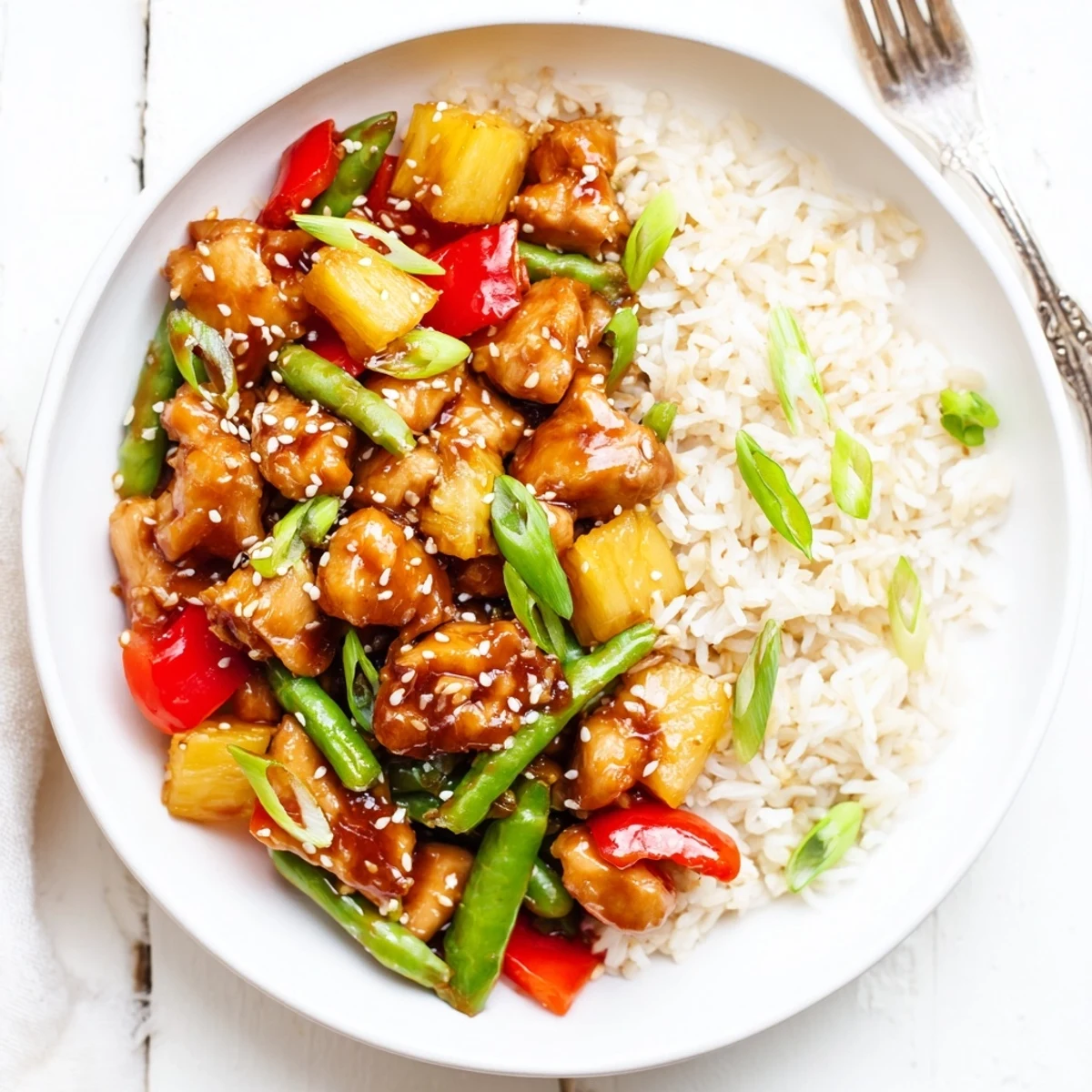
 Some recipes become staples because they are easy, but this one earned its spot because every single bite tastes like a small escape from the ordinary.
Recipe Questions & Answers
- → Can I use canned pineapple instead of fresh?
-
Yes. Drain canned pineapple well and reserve a little juice to mix into the sauce for extra flavor. Fresh gives brighter texture, but canned works fine when drained.
- → How do I prevent the rice from becoming mushy?
-
Use day-old jasmine or basmati rice chilled in the fridge so the grains are drier and separate easily. If using freshly cooked rice, spread it on a tray to cool and dry briefly before adding to the pan.
- → What can I substitute for chicken?
-
Firm tofu, tempeh or shrimp make good swaps. For tofu, press and pan-sear until golden so it holds up when tossed with the sauce and rice.
- → How can I add heat to this dish?
-
Stir in sliced fresh chili or 1/2 tsp chili flakes with the garlic and ginger. A dash of sriracha or a splash of chili oil added to the sauce also builds steady heat.
- → What’s the best way to reheat leftovers?
-
Reheat gently in a skillet over medium heat with a splash of broth or water to loosen the sauce, stirring until heated through. Microwaving works—cover and heat in short intervals to avoid drying.
- → Which rice is ideal for this preparation?
-
Jasmine or basmati rice are ideal for texture and fragrance. Use day-old cooked rice for best separation and to avoid clumping when stir-frying.