
 Pin It
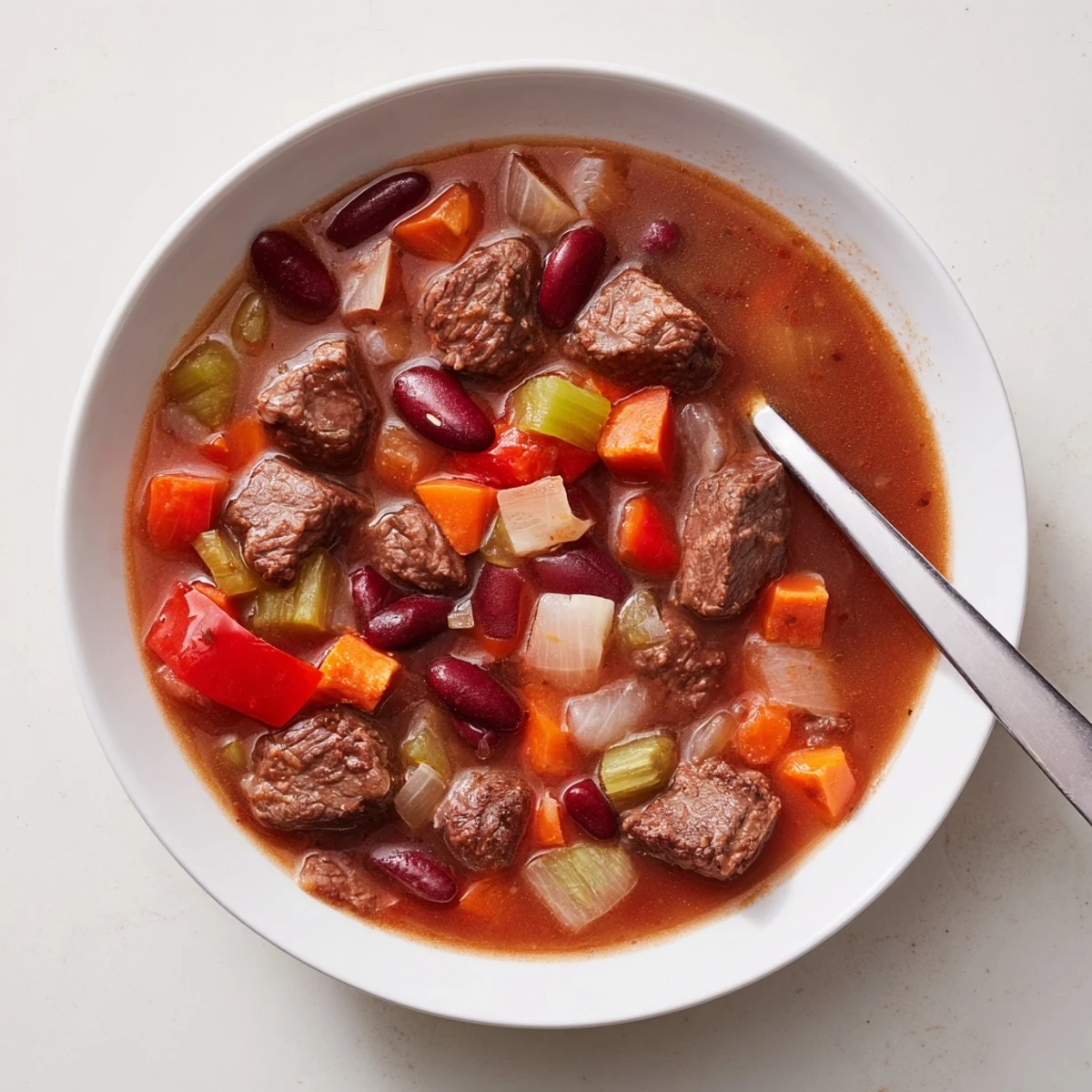
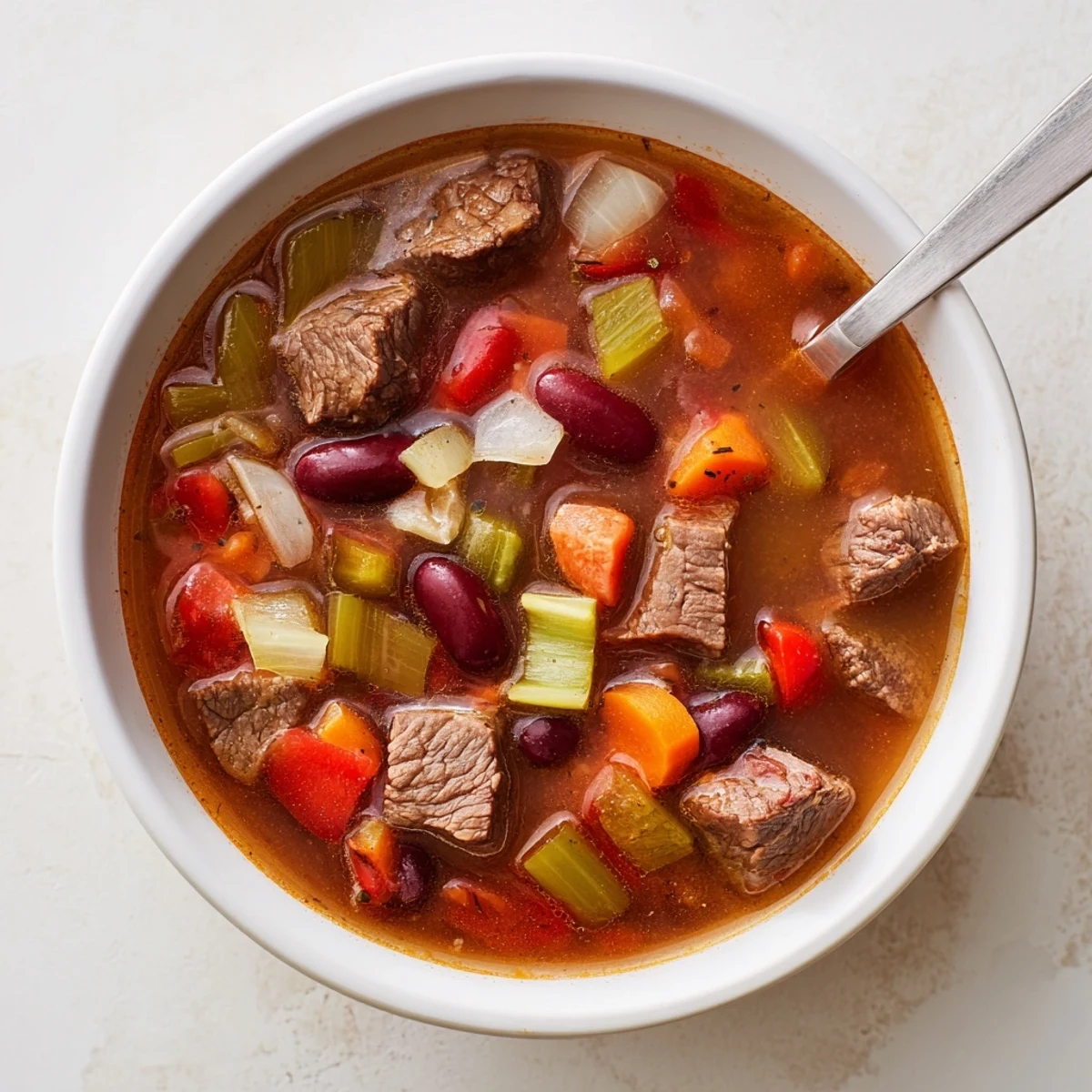
 Experience the comfort of this robust soup featuring succulent beef cubes, kidney beans, and a medley of vegetables including onions, carrots, celery, and red bell pepper. The rich broth is enhanced with smoked paprika, dried oregano, and cumin, creating depth and warmth in every spoonful.
Simmered slowly to develop deep flavors, this dish delivers complete protein and fiber in each bowl. The beef becomes fork-tender while the beans add creaminess, making it satisfying on its own or with crusty bread.
The rain was hammering against the kitchen window so hard I could barely hear the radio, and I had a pound of beef stew meat staring at me from the counter demanding a purpose.
My neighbor Dave knocked on the door that evening to return a borrowed ladder, caught one whiff from the hallway, and ended up sitting at my kitchen table with a bowl and a slice of bread, telling me about his daughters soccer tournament.
Ingredients
- 450 g beef stew meat cut into 1 inch cubes: Chuck works beautifully here because the longer simmer turns every tough fiber into something tender and rewarding.
- 1 large onion finely chopped: This is the backbone of your flavor base, so do not skimp or rush the chopping.
- 2 cloves garlic minced: Fresh garlic smashed and minced right before it hits the pot delivers a sweetness the jarred version never will.
- 2 medium carrots peeled and sliced: Cut them on a slight bias for even cooking and a look that says you cared about presentation.
- 2 celery stalks diced: Celery and onion together create an aromatic foundation that quietly holds everything up.
- 1 red bell pepper diced: The pepper adds a subtle sweetness and a pop of color that makes the bowl look inviting.
- 1 can diced tomatoes undrained: The juice from the can becomes part of the broth, so pour every last drop in.
- 2 cans kidney beans drained and rinsed: Rinsing removes the starchy liquid and keeps your soup from turning cloudy.
- 1.5 liters beef broth: A good quality broth makes a noticeable difference, so taste it on its own before committing.
- 2 tablespoons tomato paste: This concentrated hit of umami is what gives the soup its satisfying depth.
- 1 tablespoon Worcestershire sauce: Just a splash rounds out the savory notes with a quiet tang.
- 1 teaspoon smoked paprika: It lends a gentle smokiness that makes the soup taste like it was cooked near a fireplace.
- 1 teaspoon dried oregano: Rub it between your palms as you add it to wake up the oils.
- 1/2 teaspoon ground cumin: A small amount adds warmth without overpowering the beef.
- 1 bay leaf: Remember to fish it out before serving because nobody wants to bite into a leathery leaf.
- Salt and black pepper to taste: Season in layers throughout cooking for the most balanced result.
- 2 tablespoons olive oil: Just enough to get a good sear on the beef without smoking up the kitchen.
Instructions
- Brown the beef:
- Heat the olive oil in your largest soup pot over medium high heat until it shimmers, then add the beef cubes in a single layer and let them develop a deep golden crust on all sides, roughly five minutes, before setting them aside on a plate.
- Build the aromatic base:
- Toss the onion, garlic, carrots, and celery into the same pot with all those caramelized beef bits stuck to the bottom, and stir for about five minutes until everything softens and your kitchen smells like the inside of a good restaurant.
- Add the pepper and paste:
- Stir in the diced red bell pepper and tomato paste, cooking for two minutes so the paste darkens slightly and coats the vegetables.
- Bring it all together:
- Return the browned beef to the pot and pour in the diced tomatoes, beef broth, Worcestershire sauce, smoked paprika, oregano, cumin, and bay leaf, stirring to combine everything into a rich, ruby colored liquid.
- Simmer and wait:
- Bring the soup to a full boil, then lower the heat, cover the pot, and let it gently simmer for forty minutes while you do something else entirely.
- Add the beans and finish:
- Stir in the drained kidney beans and simmer uncovered for fifteen more minutes so the broth thickens and the beef becomes fork tender.
- Season and serve:
- Taste the broth and adjust with salt and pepper until it sings, then remove the bay leaf and ladle into wide bowls.
 Pin It
 I packed the leftovers in a jar for Dave the next morning, and he texted me a photo of the empty jar with a single word: more.
Getting the Right Thickness
If you prefer a thicker soup, mash a small handful of the beans against the side of the pot with your spoon during the last few minutes of cooking, and the starch will naturally tighten the broth.
Spice It Your Way
A pinch of red pepper flakes added with the paprika gives the whole pot a gentle background heat that does not overwhelm but definitely gets noticed.
Storing and Reheating Leftovers
This soup keeps beautifully in the refrigerator for up to four days and freezes well for three months, making it a reliable meal to have on hand during a busy week.
- Let the soup cool completely before transferring to storage containers.
- Reheat gently on the stove over medium low rather than using a microwave.
- Always taste and reseason after reheating because cold storage can mute the spices.
 Pin It
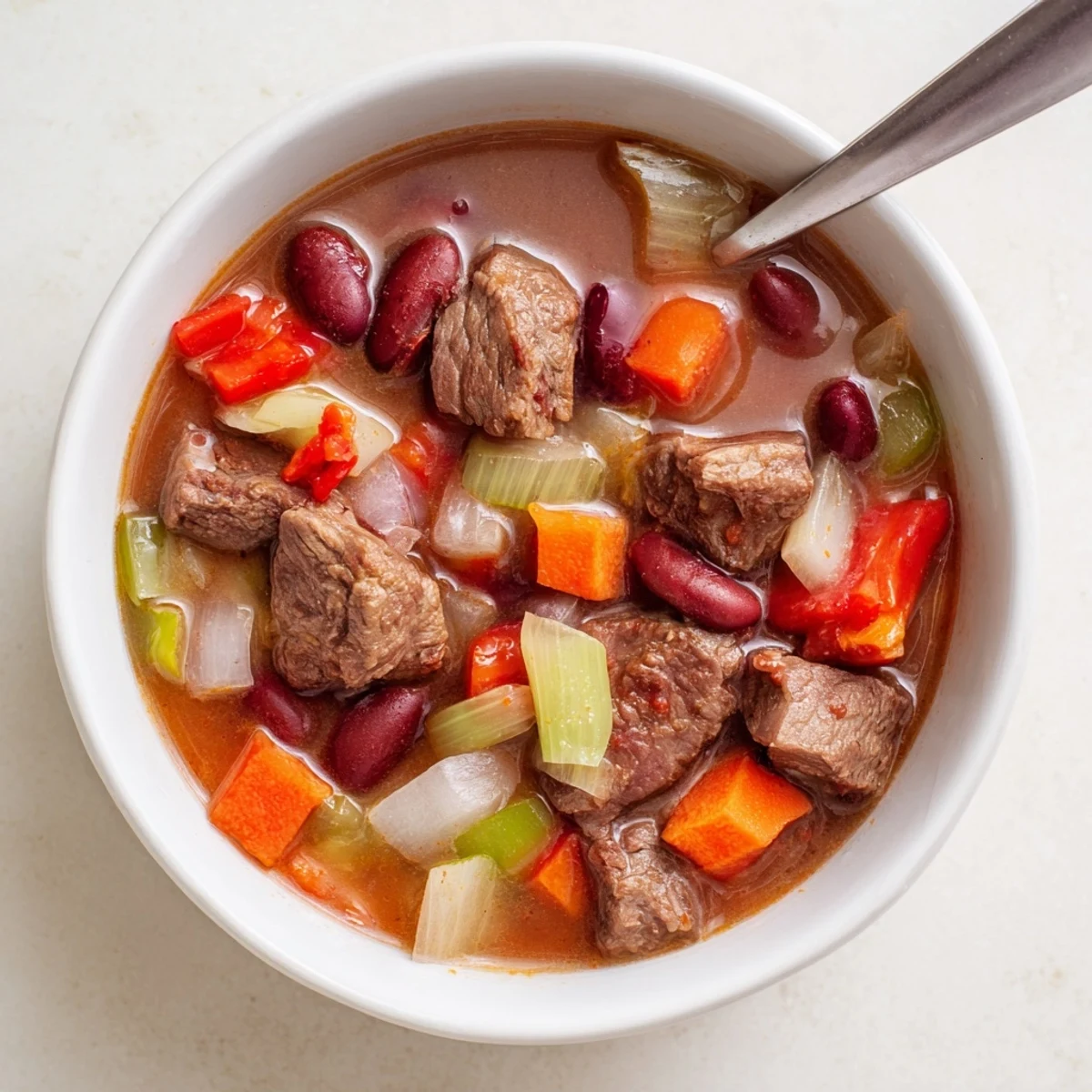
 Some recipes become staples because they are easy, and others earn their spot because they make cold evenings feel like an invitation rather than an inconvenience.
Recipe Questions & Answers
- → How do I store leftovers?
-
Store in an airtight container in the refrigerator for up to 4 days. The flavors actually deepen overnight, making it even more delicious the next day.
- → Can I freeze this soup?
-
Yes, freeze in portions for up to 3 months. Thaw overnight in the refrigerator and reheat gently on the stovetet, adding a splash of broth if needed.
- → What can I substitute for beef stew meat?
-
Chuck roast or round steak work well. For a lighter version, use ground beef browned first, or skip the meat entirely for a vegetarian option with vegetable broth.
- → How can I make it spicier?
-
Add crushed red pepper flakes during step 4, or include diced jalapeños with the bell pepper. A dash of hot sauce before serving also works nicely.
- → Why use Worcestershire sauce?
-
It adds umami depth and savory richness that complements the beef and tomatoes. Check labels for gluten-free certification if needed.
- → Can I use dried beans instead of canned?
-
Yes, soak 1 cup dried kidney beans overnight, then simmer separately until tender before adding in step 6. This takes longer but can be more economical.