 Pin It
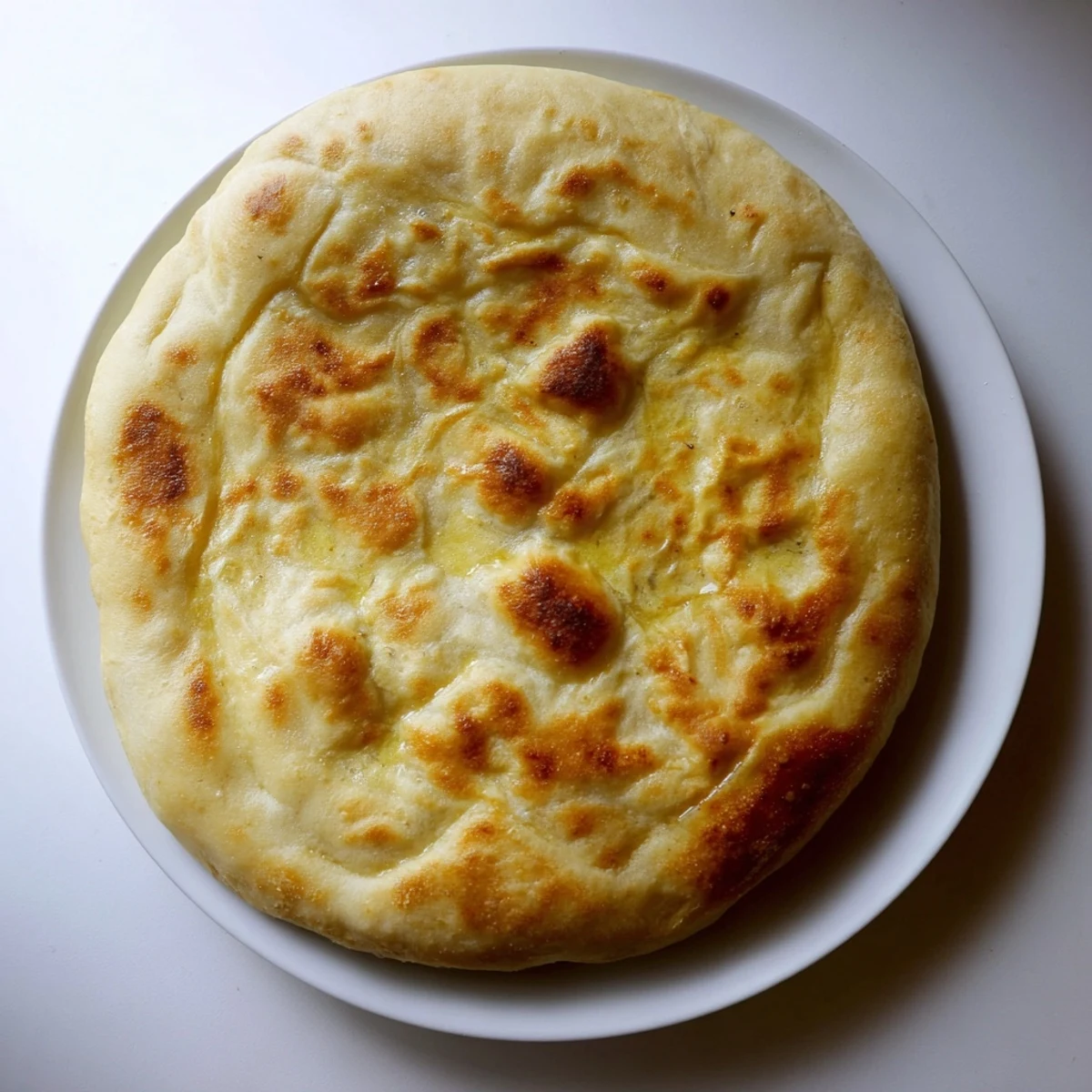
 This traditional Turkish flatbread delivers an irresistible combination of soft, pillowy texture and a golden, slightly chewy exterior. Made with simple pantry staples including yogurt for tenderness, the dough requires just one hour to rise before being shaped and cooked in a hot skillet. Each batch yields eight generous rounds that puff beautifully during cooking, creating those characteristic air pockets perfect for catching melted butter or dips. The result is a versatile bread that pairs wonderfully with cheeses, spreads, or serves as an excellent wrap for grilled meats and vegetables.
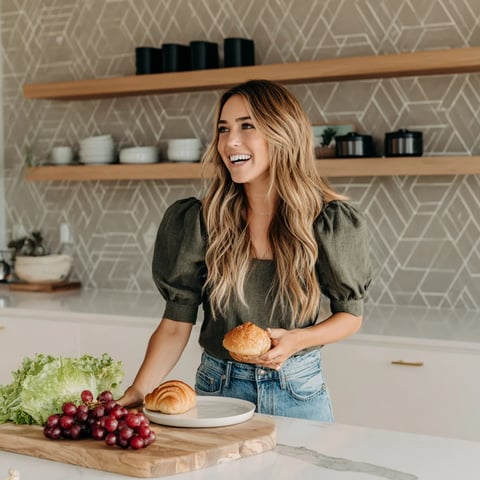
The steam hitting my face when I lift the lid off the pan takes me back to a tiny apartment in Istanbul where an elderly neighbor taught me to press the dough flat with my palms. She laughed at my careful measurements and insisted I feel the texture instead. Now my kitchen fills with that same warm, yeasty scent every time I make these.
Last winter my sister visited and we stood by the stove taking turns flipping breads, burning our fingers on the hot edges because we could not wait for them to cool. She ate three standing right there, brushing each with melted butter while I rolled out the next one.
Ingredients
- All-purpose flour: This creates the perfect structure for a bread that is substantial yet still tender
- Instant dry yeast: One packet is all you need for reliable rising without complicated proofing
- Sugar: Just enough to wake up the yeast and add a hint of sweetness to the finished bread
- Salt: Essential for flavor and helps control the fermentation
- Lukewarm water: Should feel like bath temperature, about 100°F, to activate the yeast properly
- Plain yogurt: The secret ingredient that makes these flatbreads incredibly soft and gives them a slight tang
- Olive oil or melted butter: For brushing while hot, adding richness and keeping them pliable
Instructions
- Wake up the yeast:
- Stir the yeast and sugar into lukewarm water and watch for tiny bubbles appearing on the surface after about 5 minutes
- Add the tang:
- Mix in the room temperature yogurt until fully incorporated into the liquid mixture
- Build the dough:
- Gradually add flour and salt, mixing with a wooden spoon until a rough, sticky dough forms
- Work it smooth:
- Knead on a floured surface for 10 minutes until the dough transforms from shaggy to silky and springs back when pressed
- Let it rest:
- Cover the bowl with a damp cloth and set it in a warm corner until the dough has doubled, about an hour
- Portion it out:
- Punch down the risen dough, divide it into 8 equal pieces, and shape each into a smooth ball
- Roll them thin:
- Use a rolling pin to flatten each ball into rounds about 6 inches across and a third of an inch thick
- Get the pan hot:
- Heat a cast iron skillet or nonstick pan over medium high heat until a drop of water sizzles and dances
- Cook to golden:
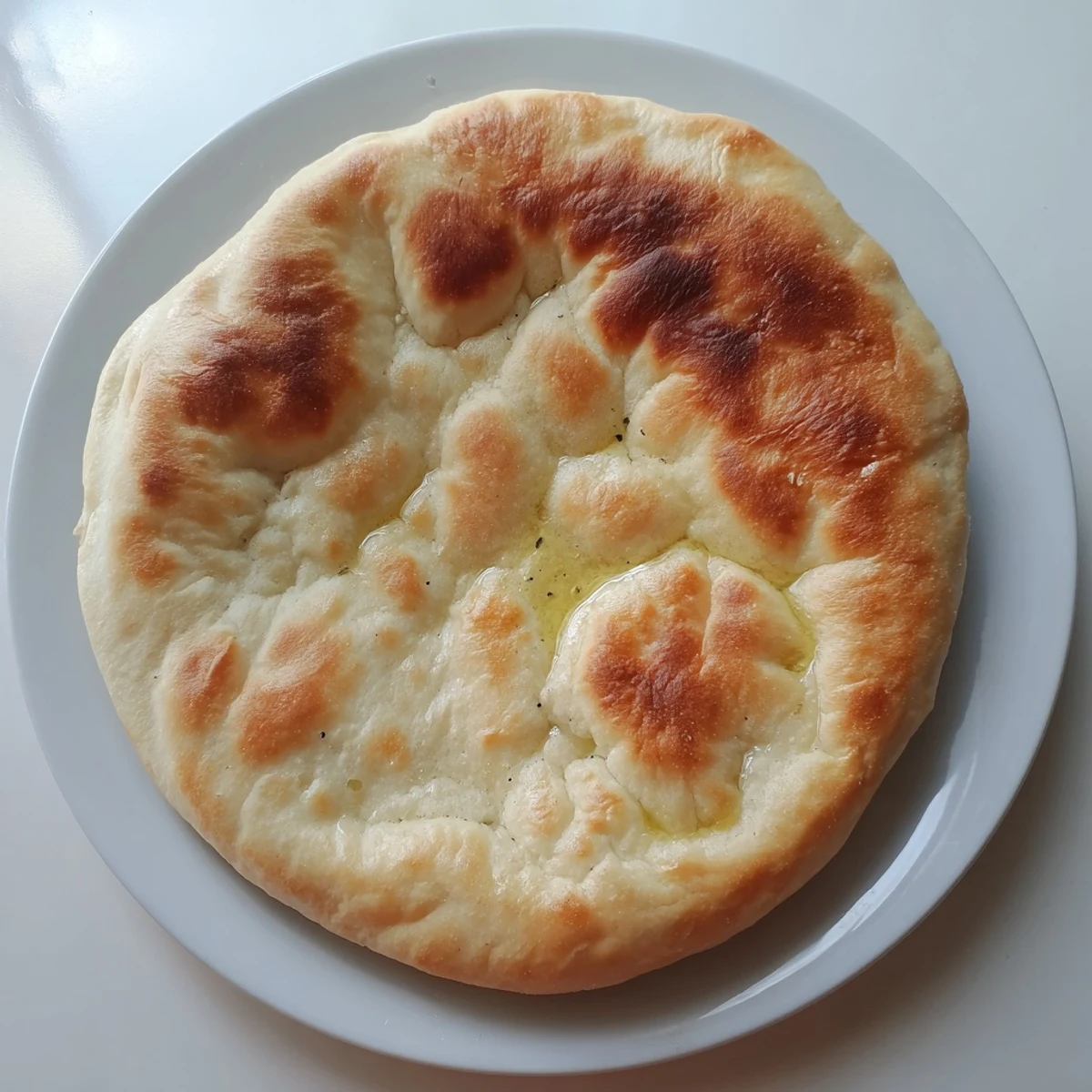
- Lay a flatbread in the dry pan and cook for 2 to 3 minutes until bubbles puff up and the bottom is spotted with brown, then flip for another minute or two
- Keep them soft:
- Stack cooked breads under a clean towel and brush with oil or butter if you want extra richness
 Pin It
 My daughter now asks for these instead of store bought bread, pulling off pieces to scoop up everything from hummus to leftover curry. Seeing her hands dusted with flour as she tries to roll her own imperfect circles makes me smile every single time.
Making Them Ahead
You can mix the dough in the morning and let it rise slowly in the refrigerator all day. The cold fermentation actually develops better flavor, and the dough will be easier to roll out cold.
Serving Ideas
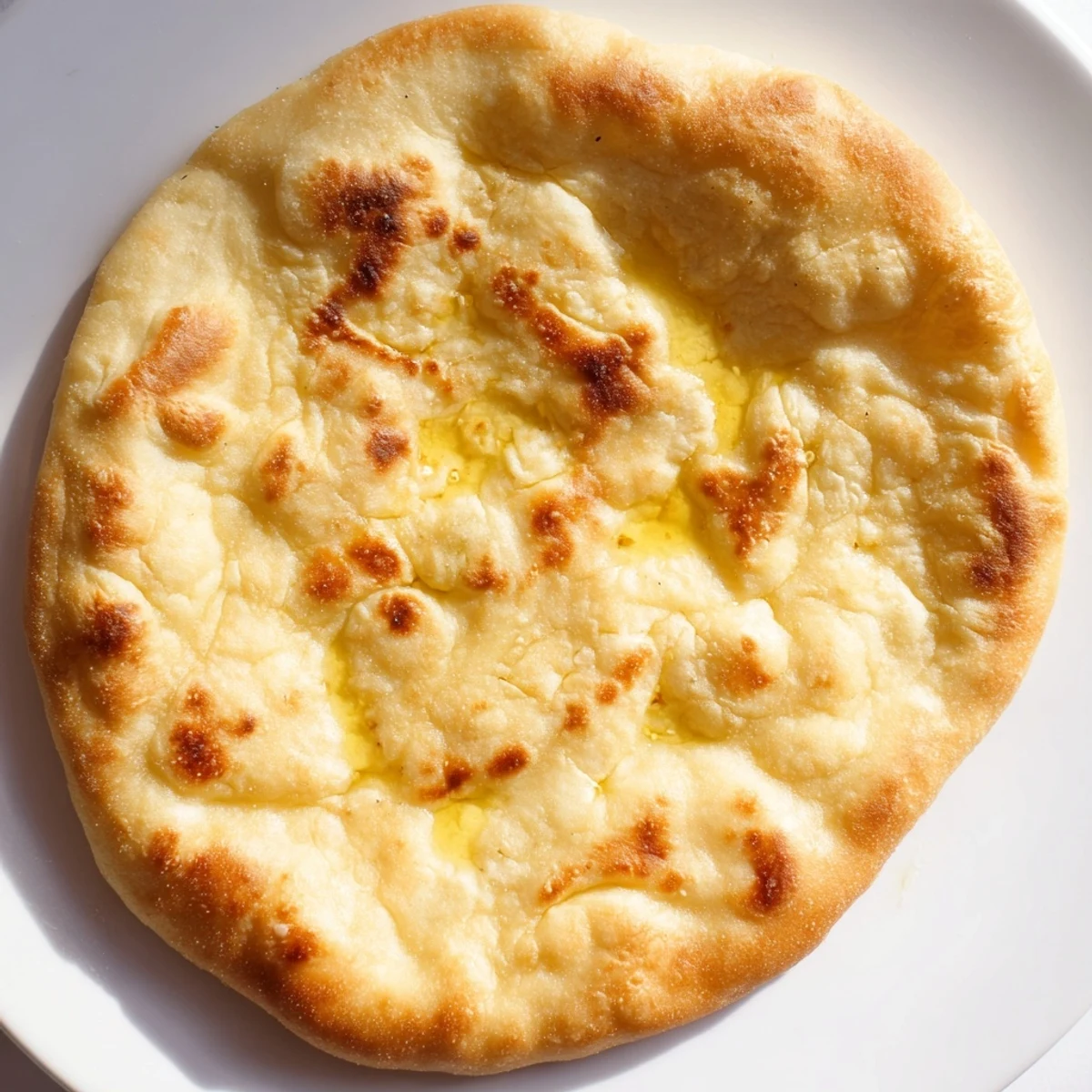
These are perfect for wrapping around grilled meats or tearing into pieces for dipping. I love them warm straight from the pan with nothing but a little salt and olive oil.
Storage And Freezing
Stack cooled breads with parchment paper between layers and freeze in a zipper bag for up to two months. Reheat them directly from frozen in a hot pan for about a minute per side.
- Wrap cooled breads tightly if keeping at room temperature and use within two days
- A quick 10 second zap in the microwave brings leftovers back to life
- Never refrigerate these unless absolutely necessary as cold makes them tough
 Pin It
 There is something deeply satisfying about making your own bread, especially one this simple and rewarding. Watch them puff up in the pan and you will understand why these have been a staple for generations.
Recipe Questions & Answers
- → What makes bazlama different from other flatbreads?
-
Bazlama stands out for its unique texture combination - the yogurt in the dough creates an exceptionally soft, pillowy interior while the high-heat skillet cooking produces a golden, slightly chewy exterior that's distinctive to this Turkish preparation.
- → Can I make bazlama without yogurt?
-
While yogurt contributes to the characteristic softness, you can substitute with additional water or a dairy-free alternative. The texture may be slightly less tender, but the flatbread will still be delicious.
- → How do I store leftover bazlama?
-
Keep cooled breads in an airtight container at room temperature for up to 2 days. For longer storage, freeze individually wrapped pieces for up to 2 months and reheat in a hot pan or toaster.
- → Why does my dough need to rest for an hour?
-
The resting period allows yeast to ferment and create carbon dioxide, which causes the dough to rise. This process develops flavor and creates those desirable air pockets that make the finished flatbread light and puffy.
- → What's the best way to serve bazlama?
-
Serve warm brushed with butter or olive oil. It pairs perfectly with cheeses like feta, creamy dips such as hummus, or use as a wrap for grilled meats and vegetables. The warm, soft texture makes it ideal for soaking up sauces and spreads.