
 Pin It
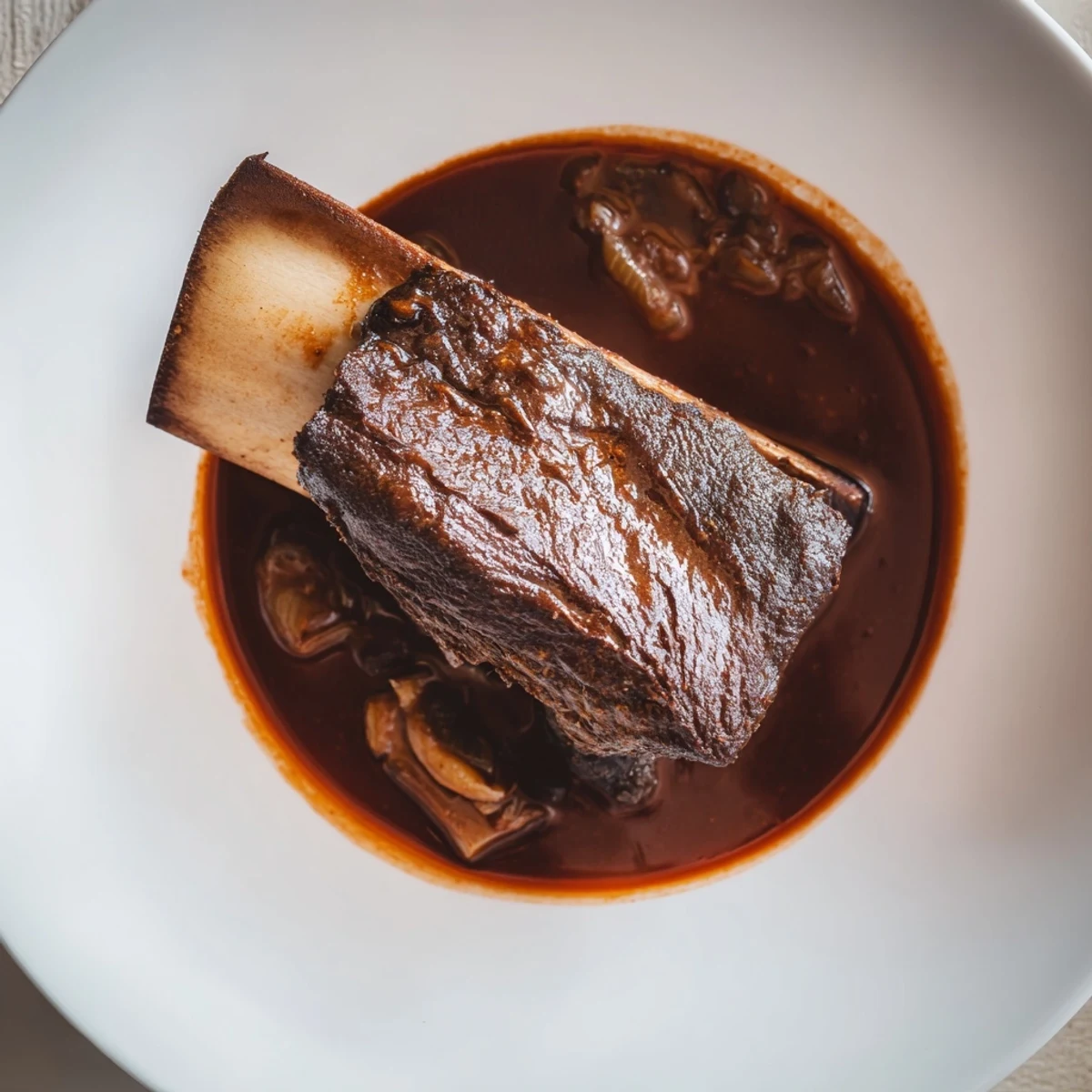
 Brown bone-in beef short ribs, then combine with chopped onion, carrots, celery, garlic, beef broth, red wine, tomato paste and Worcestershire in a slow cooker. Add thyme, rosemary and bay leaves and cook on low for about 8 hours until meat falls from the bone. Skim fat, discard herbs, and optionally thicken sauce with a cornstarch slurry. Serve with mashed potatoes, polenta or crusty bread.
Some recipes are built for lazy, rainy afternoons when you want the house to hum with the scent of something rich and comforting. The first time I made these slow cooker beef short ribs was after spotting a dusty bottle of red wine I wasn’t sure would ever be finished. It found new purpose as the base for this dish, and waiting hours for the flavors to meld felt strangely satisfying. I still remember quietly checking the slow cooker every time the savory aroma grew more intense.
I once made a pot of these short ribs for friends in the middle of a snowy week, and the kitchen filled up with laughter, coats drying by the heater, and the kind of warmth only food can provide. We ended up eating right out of the slow cooker, not bothering with fancy plating, and it was the coziest dinner I can remember hosting. It’s the sort of recipe that asks you to relax and just enjoy the company around your table while it works its magic.
Ingredients
- Beef short ribs (1.5 kg bone-in): Go for meaty, bone-in ribs for maximum flavor—give them a quick pat dry so they brown beautifully.
- Onion (1 large, chopped): Sweetens the sauce and melts into every bite—don’t rush the sauté step.
- Carrots (3, sliced): They soak up all those savory juices and become little gems of flavor.
- Celery (2 stalks, sliced): Adds an earthy backbone to balance out the richness of the beef.
- Garlic (4 cloves, minced): Try not to skip—it infuses the whole dish with gentle warmth.
- Beef broth (240 ml): Any good low-sodium broth will do, just don’t let it overpower the other flavors.
- Dry red wine (240 ml): The secret to depth—use something you’d actually drink in a glass.
- Tomato paste (2 tbsp): Gives a cozy, concentrated sweetness that balances the acidity.
- Worcestershire sauce (2 tbsp): Just a splash, but it lifts the sauce in a way nothing else does.
- Salt (1 tsp) & Black pepper (0.5 tsp): Taste as you go; seasoning makes the difference between good and great.
- Fresh thyme (2 sprigs): Tie them with kitchen twine to fish out easily later—learned the hard way about stray stems.
- Fresh rosemary (2 sprigs): A little goes a long way; just enough for a fragrant hint.
- Bay leaves (2): Don’t forget to take them out at the end—the little things matter.
- Cornstarch (2 tbsp, optional): For when you crave a thicker, glossier sauce on your plate.
Instructions
- Season and Sear:
- Rub salt and pepper onto the short ribs, then brown each piece in a hot skillet until every side is golden and a little crusty. The sizzle and scent are your friend here—don’t rush, let them develop deep color.
- Sauté the Veggies:
- Add the onion, carrots, celery, and garlic to the same skillet and cook until their edges soften and they pick up those flavorful brown bits—heavenly aroma guaranteed.
- Layer in the Flavor:
- Transfer the seared ribs and sautéed veggies to your slow cooker, nestling everything close together. Pour in broth and red wine, then mix in tomato paste and Worcestershire; it’ll look soupy, but trust me, magic is happening.
- Add Herbs & Cook Slow:
- Top with thyme, rosemary, and bay leaves. Cover and let the slow cooker do all the work on LOW for 8 hours—the meat is done when it almost falls apart as you check it.
- Finish & Serve:
- Scoop out the herbs and skim off extra fat. If you want a thicker sauce, stir in a cornstarch slurry and let it cook a little longer, then spoon everything over mashed potatoes or straight onto plates with crusty bread.
 Pin It
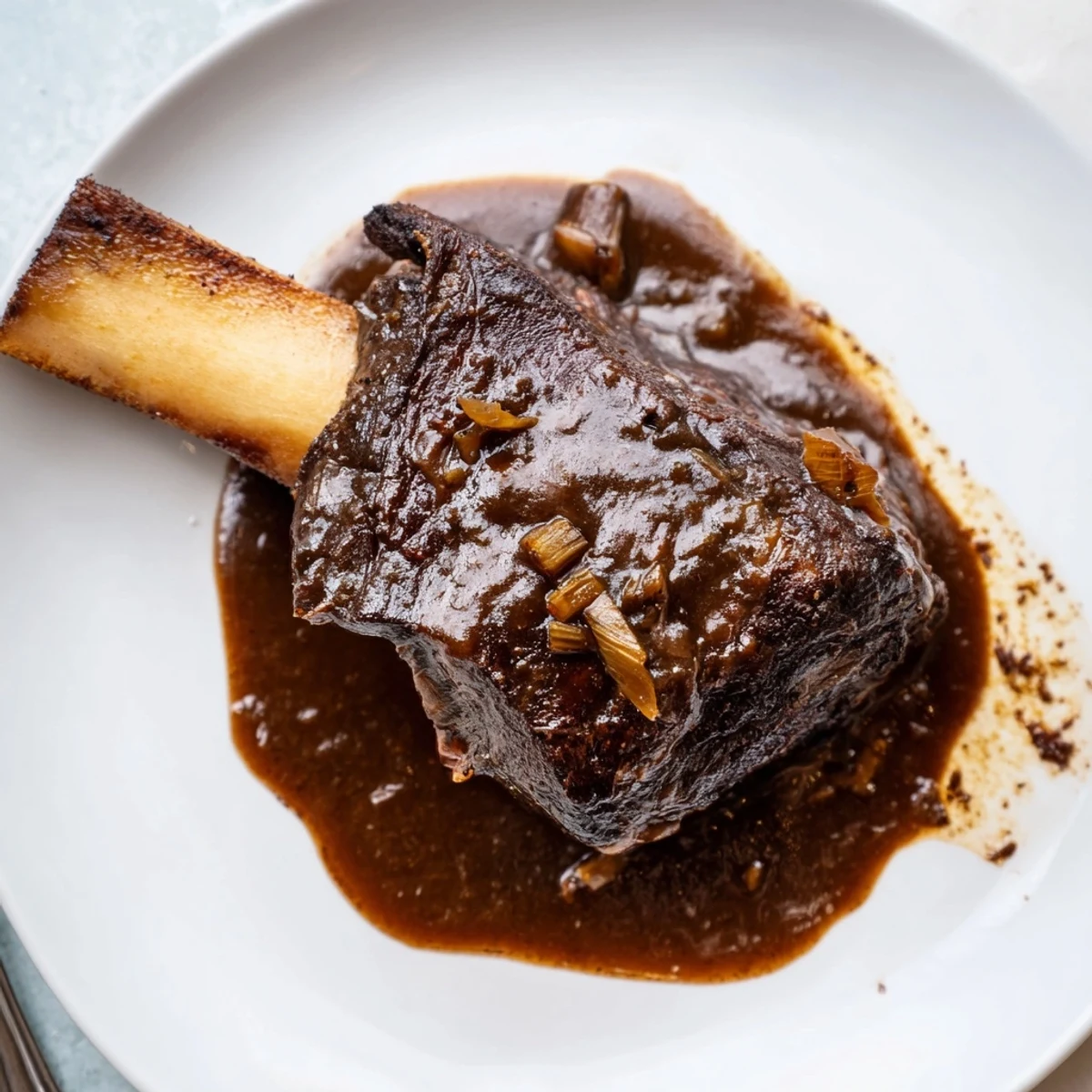
 One cold evening, I watched my family pick out their favorite vegetables from the sauce, everyone hunting for the ‘just right’ carrot or the juiciest piece of beef. It’s funny how a recipe like this turns dinner into a slow, communal event—no one rushes, and every bite feels like a shared victory over the long day.
What to Serve with Short Ribs
A bowl of creamy mashed potatoes soaks up every drop of sauce, but sometimes I spoon the beef over soft polenta for a gentle, mellow side. Crusty sourdough makes swooping up sauce pretty much mandatory, and a green salad cuts through the richness perfectly.
Making It Ahead
These short ribs only get better with time, so making them a day early is a classic move. After chilling in the fridge, the flavors deepen, and any extra fat rises to the top for easy removal—just warm gently before serving and give it a good stir.
Adapting for Allergies and Preferences
I once swapped in extra beef broth instead of wine for a friend who doesn’t do alcohol, and no one missed a thing. Worcestershire can sneak in hidden fish, so always check the label if allergies are a worry, and gluten-free folks can relax—this recipe is safe as written.
- If the sauce is too thin, the cornstarch trick works wonders.
- Leftovers are even better the next day over rice.
- Don’t forget to fish out those pesky herb stems and bay leaves before serving.
 Pin It
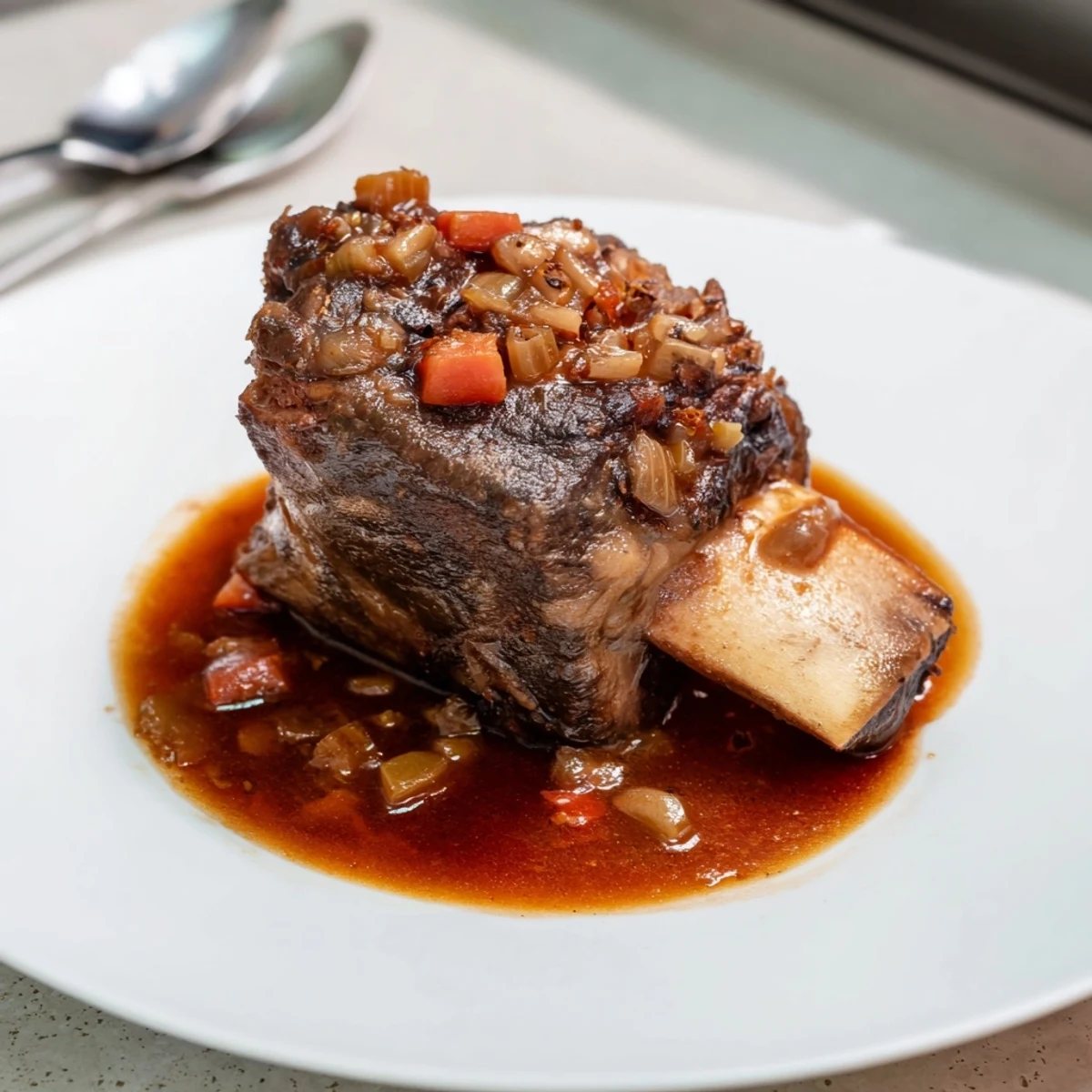
 Nothing says comfort quite like slow-cooked short ribs on the table. If you try it, I hope your kitchen fills up with all the same warmth and savory goodness as mine did.
Recipe Questions & Answers
- → Can I use boneless short ribs instead of bone-in?
-
Yes. Boneless short ribs work though bones add extra depth to the sauce. Reduce cook time slightly and check tenderness earlier, as boneless pieces can finish a bit faster.
- → How do I thicken the sauce?
-
Make a cornstarch slurry (2 tbsp cornstarch + 2 tbsp water) and stir into the hot cooking liquid, then cook on high 10–15 minutes until thickened. Alternatively, skim fat and reduce sauce on the stovetop for a richer glaze.
- → Can I skip the red wine?
-
Yes. Substitute equal parts additional beef broth for an alcohol-free version. For depth, add a splash of balsamic vinegar or a teaspoon of soy-free Worcestershire if desired.
- → How can I tell when the ribs are done?
-
The short ribs are ready when the meat is very tender and pulls away from the bone easily. A fork should enter and twist with little resistance.
- → Is it helpful to sear or marinate the ribs beforehand?
-
Searing develops a deeper brown crust and richer flavor; marinating in red wine overnight intensifies the sauce. Either step enhances taste but is optional for convenience.
- → What are good serving suggestions?
-
Serve the ribs with mashed potatoes, creamy polenta, or crusty bread to soak up the sauce. A robust red wine like Cabernet or Merlot pairs well with the dish.