
 Pin It
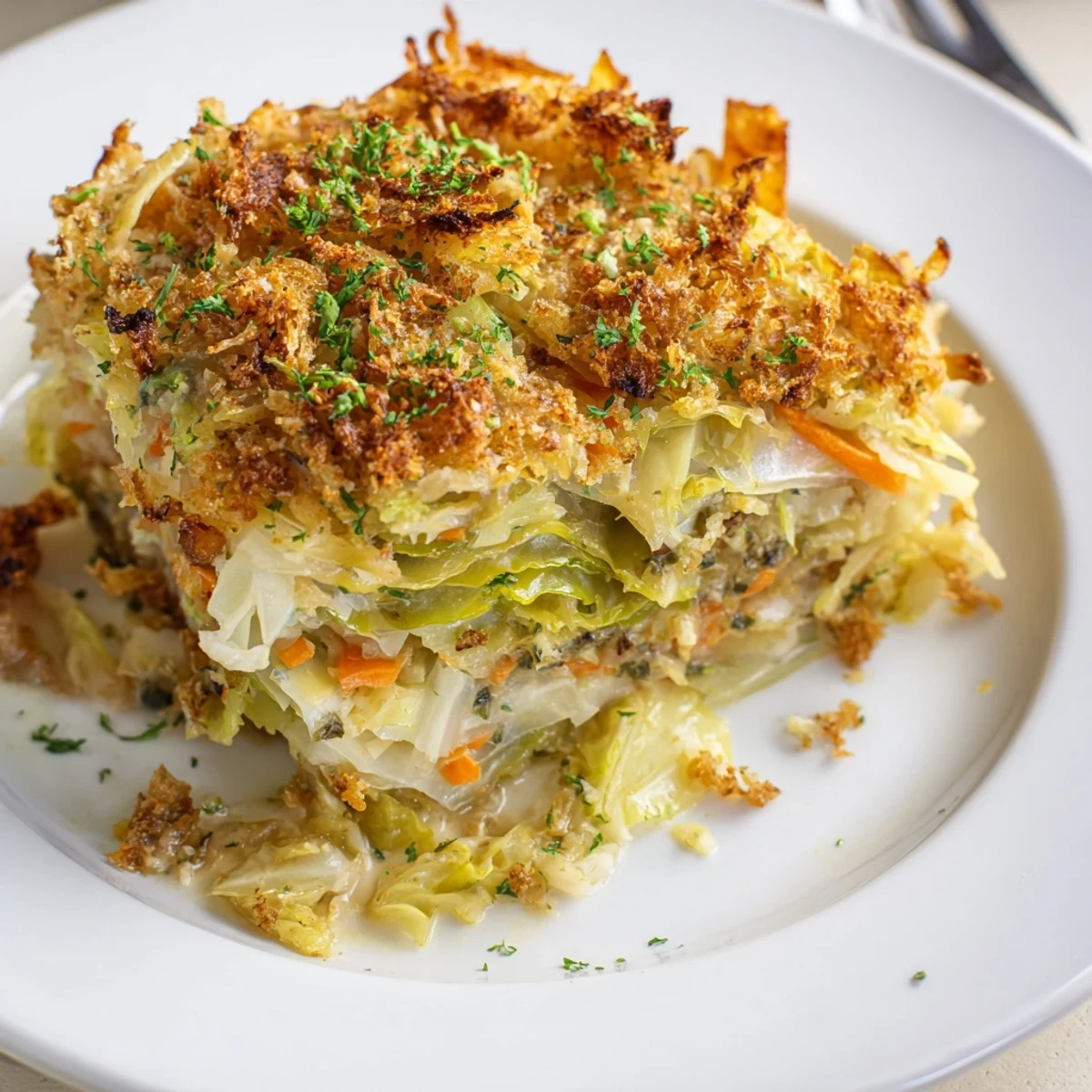
 Slow-roasted cabbage and tangy sauerkraut are layered with sautéed onions, garlic and grated carrot, then bound with sour cream, eggs and vegetable broth. Covered roasting keeps the filling tender for about 1½ hours; a buttered breadcrumb topping is added and baked uncovered for 30 minutes to develop a golden crust. Serve warm with rye or mustard. Swap plant-based sour cream and flax eggs for a vegan version or add smoked sausage for extra richness.
The cabbage section of the grocery store used to be a place I walked right past, until a rainy Tuesday in November when my neighbor Ruth pressed a jar of homemade sauerkraut into my hands and told me to roast it with whatever I had. That evening, standing over a steaming casserole dish at nearly nine oclock, I realized cabbage had been the most underrated vegetable in my kitchen all along. The smell that filled my apartment was earthy, tangy, and strangely addictive.
I brought this to a potluck last winter and watched three people ask for the recipe before they even set their forks down. One friend, who proudly claims to hate all cruciferous vegetables, went quiet after her first bite and then quietly filled a container to take home. That casserole dish came back scraped clean, which is honestly the highest compliment I know.
Ingredients
- 1 medium green cabbage (about 2 lbs), cored and thickly sliced: The foundation of the dish, and you want it roasted long enough that it sweetens and turns buttery soft.
- 2 cups sauerkraut, drained and rinsed: This is where the tang comes from, and rinsing keeps it from overpowering everything else in the pan.
- 1 large onion, thinly sliced: Sweetness and depth, especially after a good slow sauté in olive oil.
- 3 garlic cloves, minced: Essential aromatics that tie the whole dish together.
- 2 medium carrots, grated: They add subtle sweetness and a nice fleck of color throughout the layers.
- 1 cup sour cream: Creates a rich, creamy custard that binds the layers as it bakes.
- 2 large eggs: Helps set the sour cream mixture so the casserole holds its shape when sliced.
- 3 tbsp olive oil: Used for sautéing the aromatics and greasing the dish.
- 1 cup vegetable broth: Thins the custard mixture and keeps everything moist during the long roast.
- 1 tsp caraway seeds (optional): A classic German flavor that some people love and others do not, so I leave it to you.
- Salt and freshly ground black pepper, to taste: Season each layer as you go for the most even flavor.
- 1 cup breadcrumbs: The crown of the dish, and use gluten-free if that is what you need.
- 2 tbsp melted butter: Mixed with the breadcrumbs for a topping that actually browns and crisps properly.
Instructions
- Preheat and prepare the dish:
- Set your oven to 325 degrees F and grease a large casserole dish with one tablespoon of olive oil, making sure to get the corners.
- Build the flavor base:
- Heat the remaining olive oil in a large skillet over medium heat and cook the sliced onion until softened and translucent, about five minutes, then stir in the garlic and grated carrots for two minutes more until fragrant.
- Layer everything with intention:
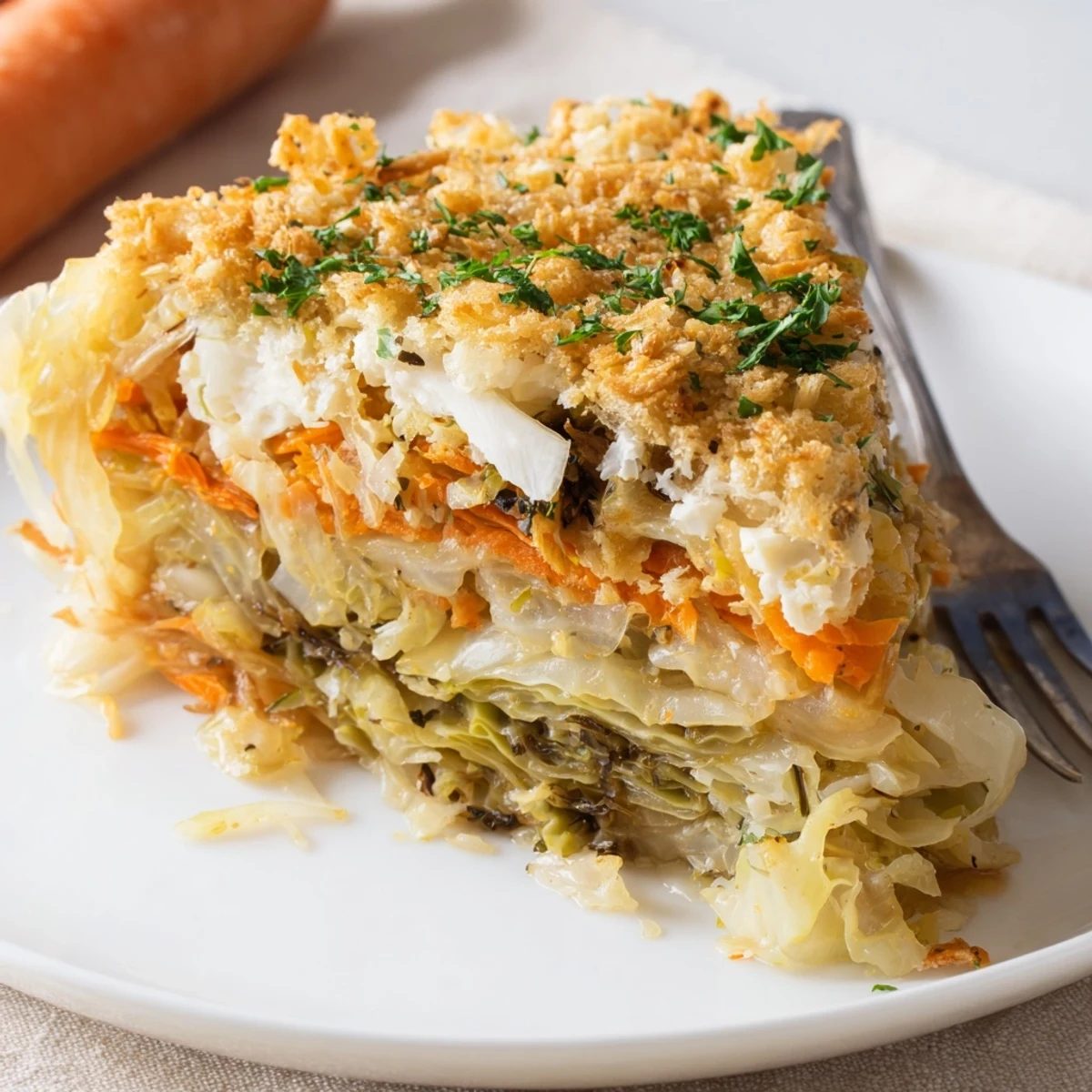
- Place half the cabbage in the casserole dish, followed by half the sauerkraut and half the sautéed vegetables, then season with salt, pepper, and caraway seeds if using, and repeat all the layers once more.
- Make the creamy pouring sauce:
- Whisk together the sour cream, eggs, and vegetable broth in a bowl until completely smooth, then pour it evenly over the entire casserole, letting it seep down into the layers.
- Slow roast covered:
- Cover the dish tightly with aluminum foil and place it in the oven for one hour and thirty minutes, allowing the cabbage to steam and soften in that tangy cream sauce.
- Prepare the topping while you wait:
- Stir the breadcrumbs and melted butter together in a small bowl until the crumbs are evenly coated and look like damp sand.
- Finish uncovered and golden:
- Remove the foil, scatter the buttered breadcrumbs over the top, and return the dish to the oven uncovered for thirty more minutes until the topping is deeply golden and the edges are bubbling.
- Rest before slicing:
- Let the casserole stand for ten minutes so the custard sets up properly, then garnish with fresh parsley if you have some handy.
 Pin It
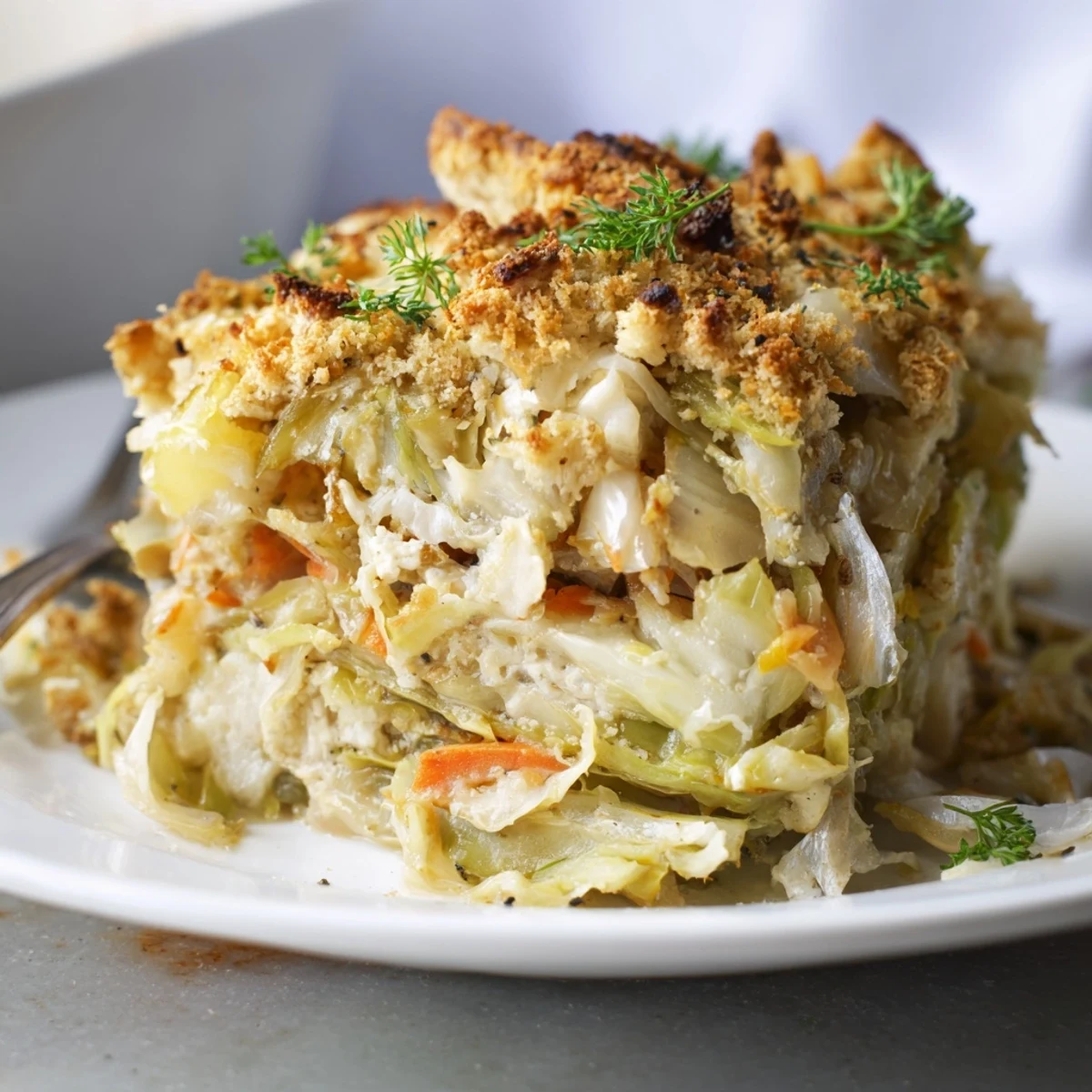
 There is something about pulling a bubbling casserole from the oven on a cold evening that makes the kitchen feel like the only room that matters in the house. This dish has a way of slowing everyone down, forks hovering midair, conversations pausing. It became my designated contribution to every cold weather gathering after that first potluck.
Making It Your Own
I have tossed in diced smoked sausage when I wanted something heartier, and it disappears into the layers like it was always meant to be there. A handful of grated Gruyere folded into the sour cream mixture turns it into something almost decadent. The recipe is forgiving and rewards curiosity.
Serving Suggestions
Thick slices of dark rye bread alongside this casserole are practically mandatory in my kitchen, especially for mopping up the creamy edges. A smear of spicy German mustard on the bread cuts through the richness in the best way. A simple green salad with a sharp vinaigrette balances the plate nicely if you are serving this as a main.
Storage and Reheating
This casserole keeps remarkably well in the fridge for up to four days, and I would argue the flavors actually deepen overnight as the tang from the sauerkraut seeps into everything. Reheat it covered in a 325 degree oven until warmed through rather than using the microwave, which softens that breadcrumb crust into sadness.
- Let it cool completely before covering and refrigerating to avoid condensation making the topping soggy.
- It freezes well in individual portions wrapped tightly in foil for up to two months.
- Always add a fresh sprinkle of breadcrumbs on top before reheating if the original crust has gone soft.
 Pin It
 Some recipes become staples because they are quick, and others earn their spot because they fill your kitchen with warmth and your table with happy, quiet eaters. This one does both if you plan ahead for the oven time.
Recipe Questions & Answers
- → How can I make this gluten-free?
-
Use certified gluten-free breadcrumbs or substitute toasted nuts or gluten-free oats for the topping. Check sauerkraut and broth labels for hidden gluten before using.
- → What are good vegan substitutions?
-
Replace sour cream with a plant-based alternative and whisk together a flax or chia egg (1 tbsp ground flaxseed + 3 tbsp water per egg) to bind. Alternatively, use silken tofu blended with a little plant milk for creaminess.
- → Can I add meat to the dish?
-
Yes. Diced smoked sausage, bacon or pancetta can be sautéed with the onion before layering. Drain excess fat and adjust salt so the dish remains balanced.
- → How do I get a crisp, golden topping?
-
Mix breadcrumbs thoroughly with melted butter before sprinkling. For extra color, finish under the broiler for 1–2 minutes, watching closely to avoid burning.
- → How should I store and reheat leftovers?
-
Cool to room temperature, then refrigerate in an airtight container for up to 3–4 days. Reheat covered at 350°F (175°C) until warmed through, then uncover briefly to restore the topping’s crispness. Freeze portions for longer storage.
- → Can I assemble ahead of time?
-
Yes. Prepare and layer the components, then cover and refrigerate for up to 24 hours. Add breadcrumbs and bake as directed when ready to serve for best texture.