
 Pin It
 This German-inspired casserole combines layers of tender slow-roasted cabbage with tangy sauerkraut, creating a hearty and comforting dish. The cabbage becomes melt-in-your-mouth soft after hours in the oven, while the sauerkraut adds a pleasant tangy contrast. Aromatic caraway seeds and smoked paprika provide depth, while a hint of sweet grated apple balances the flavors. Perfect for cold weather meals, this dish develops even richer flavors when made ahead.
The smell of cabbage roasting low and slow in the oven is one of those quiet kitchen miracles that sneaks up on you, filling every corner of the house with something deeply savory and almost sweet. My neighbor once knocked on my door during a snowstorm asking what on earth I was cooking because the aroma had drifted through the shared hallway of our apartment building. That dish was this casserole, and it has since become my cold weather answer to everything from lazy Sunday dinners to potluck emergencies.
I brought this to a friends housewarming party last January, fully expecting it to be the overlooked vegetarian option sitting next to the charcuterie board. Three people asked for the recipe before dessert was even mentioned, and one friend who proudly hates cabbage went back for seconds without a hint of irony.
Ingredients
- 1 medium green cabbage (about 2 lb), cored and sliced into thin strips: The foundation of the whole dish, so pick one that feels heavy for its size with tightly packed leaves.
- 2 medium onions, thinly sliced: They melt down during roasting and create a natural sweetness that balances the sauerkrauts acidity.
- 2 cloves garlic, minced: Fresh is nonnegotiable here because jarred garlic simply cannot deliver the same mellow warmth after two hours in the oven.
- 2 large carrots, grated: They add subtle sweetness and a lovely flash of orange threaded through the layers.
- 3 cups sauerkraut, drained and lightly rinsed: Rinsing tames the sharpest bite while keeping that essential tang, and draining well prevents a soggy casserole.
- 1 apple, peeled and grated: This is the secret weapon that makes people stop and wonder what that background note of sweetness is.
- 1 cup vegetable broth: Provides just enough moisture for everything to braise gently without turning into soup.
- 1/4 cup dry white wine (optional): If you have an open bottle, pour it in because it adds a bright acidity that elevates the entire dish.
- 2 tbsp olive oil: A modest amount goes a long way since the cabbage releases its own moisture as it cooks down.
- 1 tsp caraway seeds: The defining spice of the dish, giving it that unmistakable Eastern European character.
- 1 tsp smoked paprika: Adds a whisper of campfire warmth without overpowering the delicate cabbage.
- 1/2 tsp ground black pepper and 1/2 tsp salt: Seasoning foundations that you can adjust after tasting the finished dish.
- 2 tbsp fresh dill, chopped: Stirred into the sauerkraut layer, it brings a fresh green brightness that cuts through the richness.
- 1/2 cup sour cream or dairy free alternative (optional): A creamy crown for the last ten minutes of baking that makes everything feel indulgent.
- 1/4 cup grated cheese or vegan cheese (optional): Adds a golden bubbly finish if you want to take it over the top.
Instructions
- Preheat and prepare:
- Set your oven to 325 degrees F and grease a large casserole dish with a little olive oil, making sure to coat the corners where things tend to stick.
- Build the onion and garlic base:
- Warm olive oil in a large skillet over medium heat and sauté the sliced onions until they turn translucent and just begin to catch golden edges, about five minutes, then stir in the garlic for one final minute until your kitchen smells irresistible.
- Wilt and season the cabbage:
- Add the shredded cabbage to the skillet and cook it gently, stirring every so often, until it softens and shrinks down noticeably, then fold in the grated carrots, salt, pepper, caraway seeds, and smoked paprika so everything is evenly coated.
- Prepare the sauerkraut mixture:
- In a separate bowl, toss the drained sauerkraut with the grated apple and chopped dill, tasting a small forkful to appreciate how the sweet and sour notes already play together.
- Layer the casserole:
- Spread half the cabbage mixture across the bottom of your prepared dish, then cover it evenly with half the sauerkraut mixture before repeating both layers once more, pressing down gently so the top sits relatively flat.
- Add the braising liquid:
- Pour the vegetable broth and white wine slowly and evenly over the entire casserole, letting it seep down through the layers rather than pooling in one spot.
- Slow roast covered:
- Cover the dish tightly with foil or a lid and slide it into the oven for one full hour, during which the cabbage will soften into something tender and deeply flavored without drying out.
- Uncover and brown:
- Remove the foil, turn the oven up to 375 degrees F, and bake uncovered for another thirty to forty five minutes until the top turns lightly golden and most of the liquid has cooked away.
- Finish with cream and cheese:
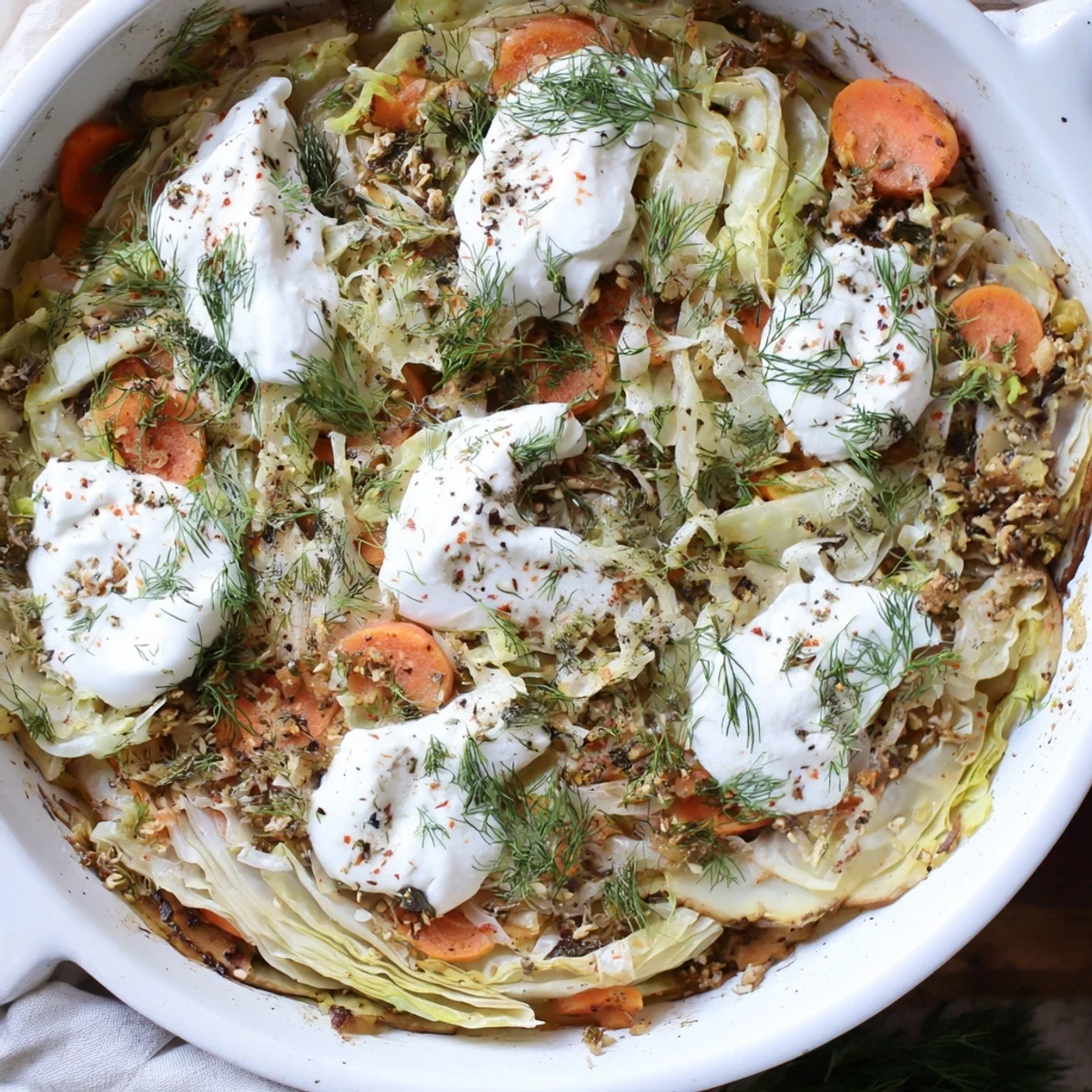
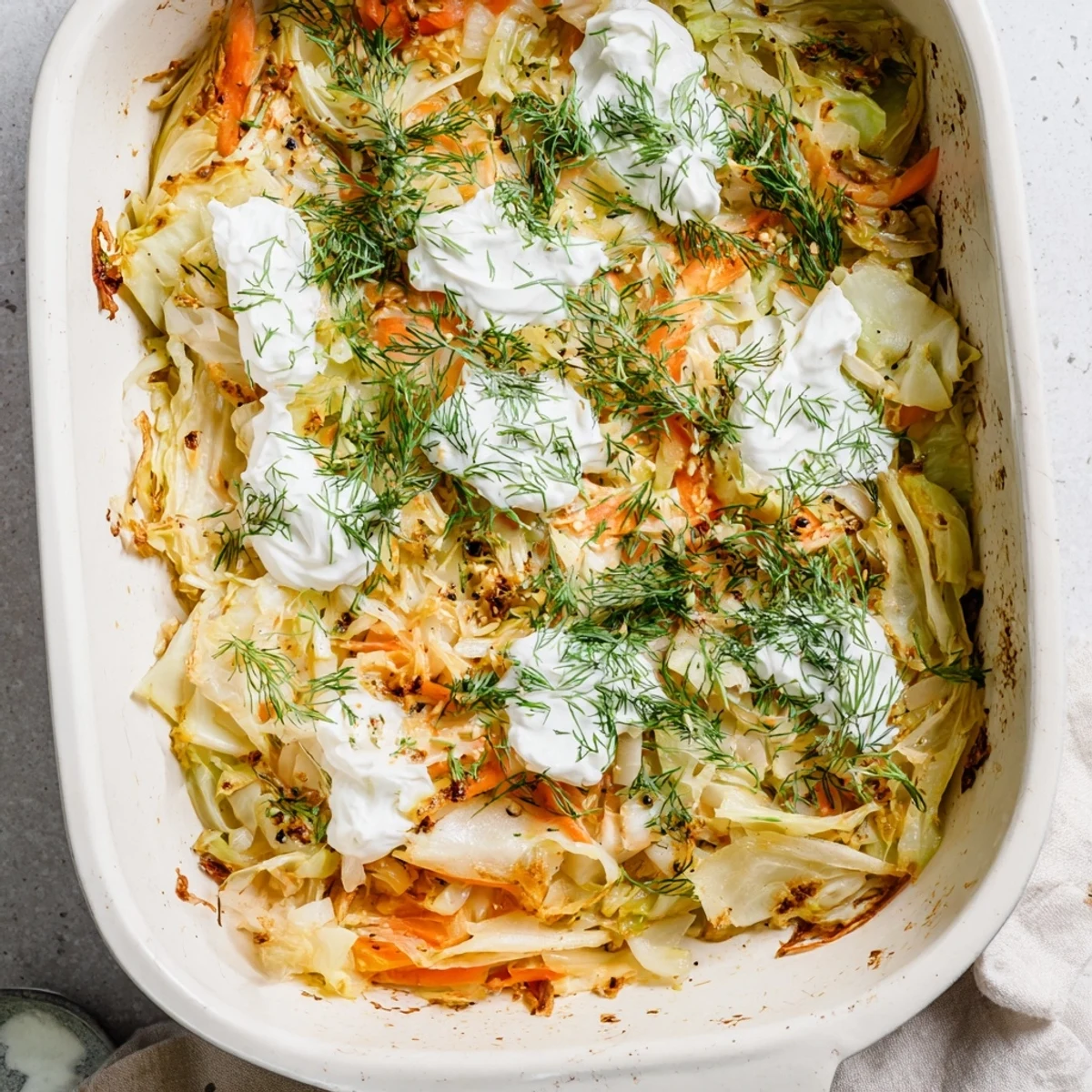
- If you are using toppings, spread the sour cream evenly across the surface and scatter the grated cheese over it during the last ten minutes of baking, just long enough to melt and bubble.
- Rest and garnish:
- Let the casserole sit for ten minutes before serving so the layers settle and hold their shape, then scatter extra fresh dill over the top for a bright fragrant finish.
 Pin It
 One February evening I made this for my mother, who grew up eating boiled cabbage and had strong opinions about it. She took one bite, set down her fork, and said quietly that this was what cabbage was always supposed to taste like.
Serving Ideas That Actually Work
This casserole is a complete meal on its own but it truly shines next to a pile of buttery boiled potatoes or a thick slice of crusty bread for soaking up the concentrated juices at the bottom of the dish. For a heartier version, tuck sautéed mushrooms or cooked lentils between the layers and it becomes something substantial enough to satisfy even the most dedicated meat eaters at your table.
What to Drink With It
A glass of dry Riesling is the classic pairing and for good reason because its crisp acidity mirrors the sauerkraut while its fruit notes echo the apple hidden inside. A light bodied red wine works surprisingly well too, especially on a cold night when you want something a little warmer in your glass.
Making It Your Own
Once you have the basic layering technique down, this recipe bends easily to whatever you have on hand or whatever your dietary needs require. The best part is that it costs very little to make yet feeds a crowd generously.
- Omit the sour cream and cheese entirely for a fully vegan and dairy free dish that loses nothing in flavor.
- Double the caraway seeds if you love that licorice warmth, or leave them out entirely if you do not.
- Always check that your sauerkraut and broth are certified gluten free if that matters to your household.
 Pin It
 Some dishes feed the body and some dishes feed the people gathered around your table, and this humble cabbage casserole manages to do both with grace. Keep it in your back pocket for the next cold evening when you want something simple, warm, and deeply satisfying.
Recipe Questions & Answers
- → What does slow-roasted cabbage taste like?
-
Slow-roasting transforms cabbage into a tender, mildly sweet vegetable with a melt-in-your-mouth texture. The long cooking time removes any harsh bitterness and concentrates the natural sugars, creating a delicate flavor that pairs beautifully with tangy sauerkraut.
- → Can I make this casserole ahead of time?
-
Absolutely. This dish actually improves when made a day ahead, allowing the flavors to meld together. Store covered in the refrigerator and reheat at 350°F for about 20-25 minutes until warmed through.
- → Is sauerkraut necessary or can I substitute it?
-
Sauerkraut provides essential tang and probiotic benefits, but you could substitute with shredded fresh cabbage mixed with a tablespoon of apple cider vinegar and caraway seeds for a similar flavor profile.
- → How do I prevent the casserole from being too watery?
-
Drain and rinse the sauerkraut well before using. The final 30-45 minutes of uncovered baking helps evaporate excess liquid. Letting the dish rest for 10 minutes before serving also allows the remaining moisture to redistribute.
- → What protein can I add to make it more substantial?
-
Sautéed mushrooms, cooked lentils, or white beans work wonderfully between layers. For non-vegetarian versions, smoked sausage or bratwurst slices can be added, though this will change the dietary classification.
- → Can I freeze leftovers?
-
Yes, this freezes well for up to 3 months. Portion into airtight containers and thaw overnight in the refrigerator before reheating. Note that the texture may be slightly softer after freezing.