
 Pin It
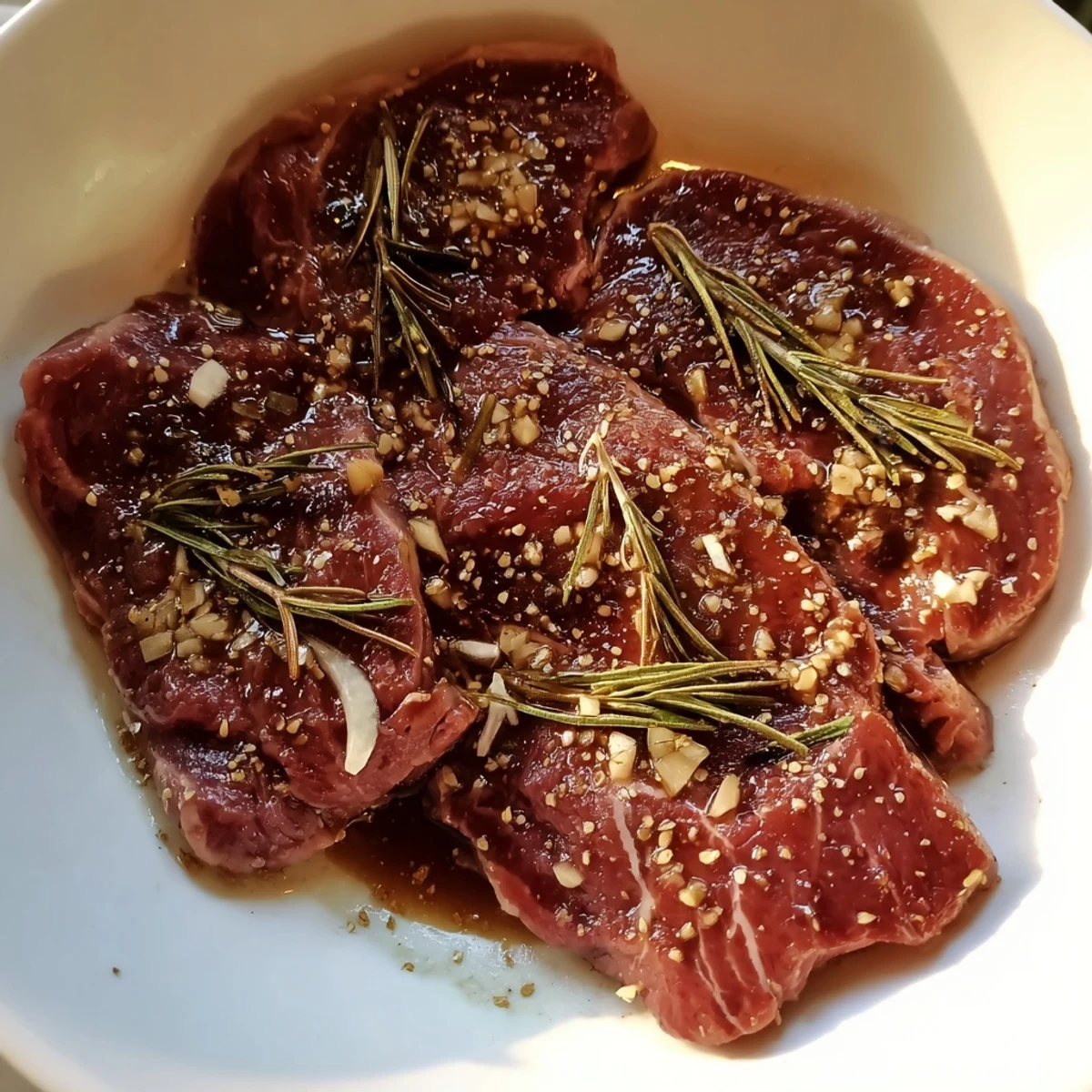
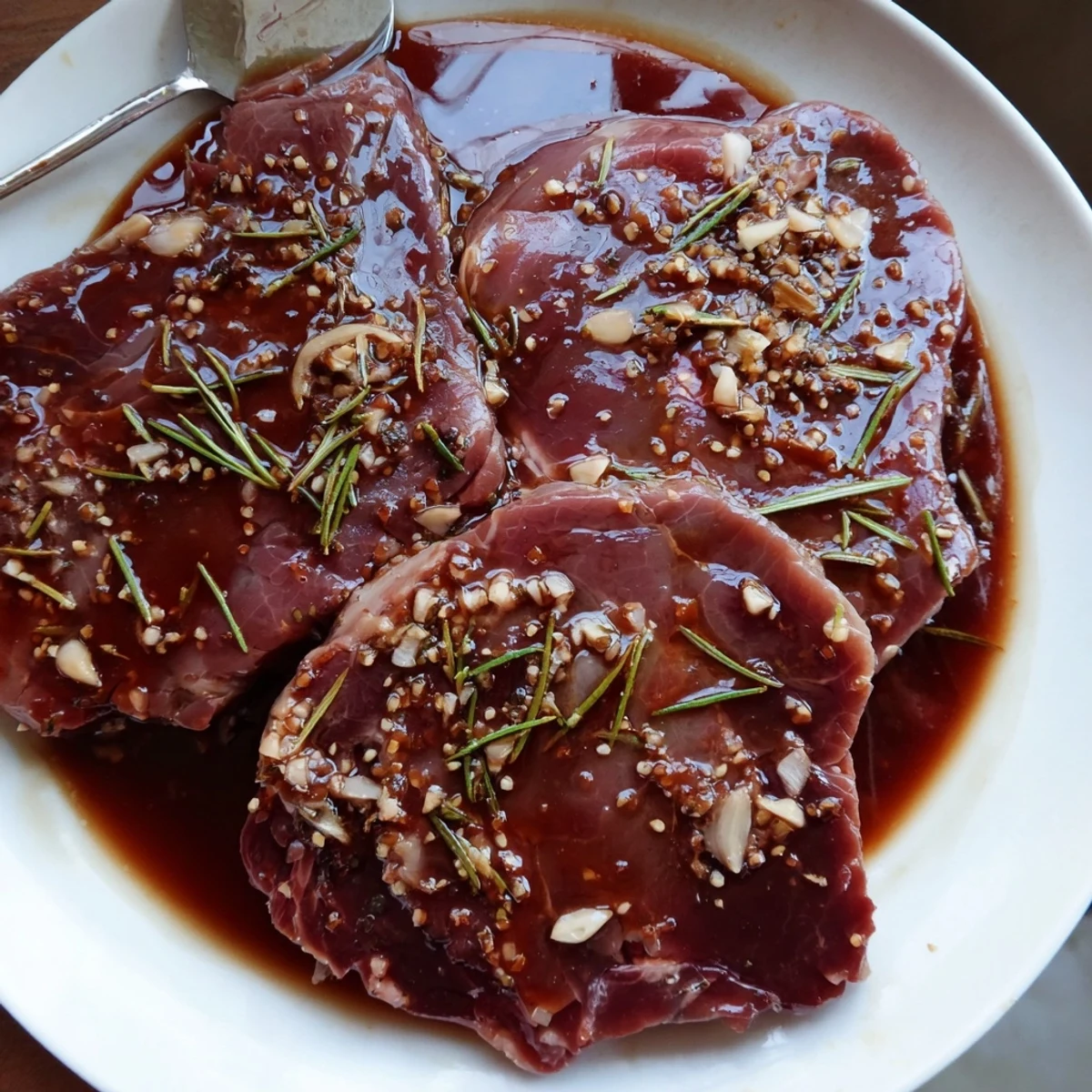
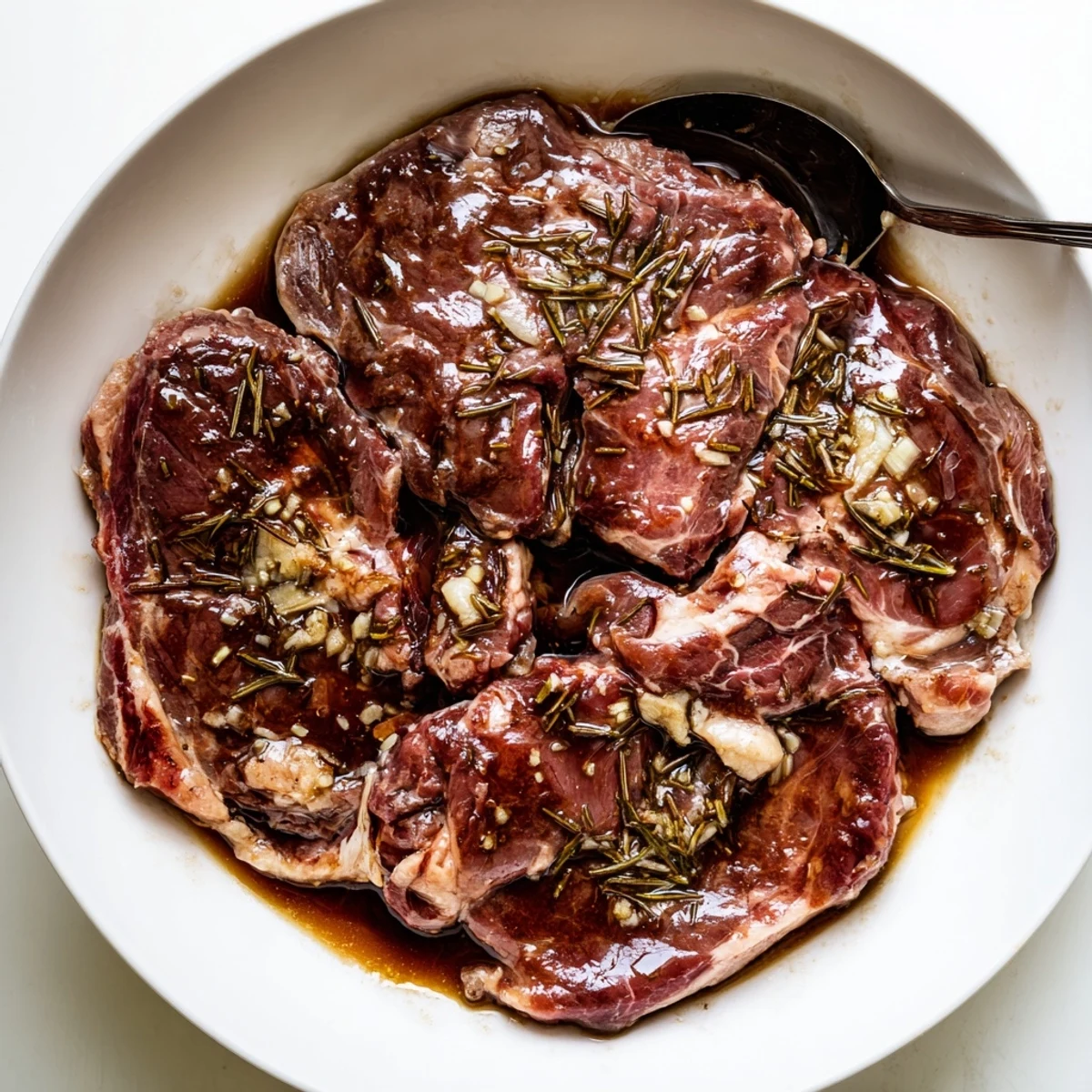
 This soy-and-balsamic steak marinade mixes soy sauce, olive oil, Worcestershire, balsamic, lemon, garlic, Dijon, brown sugar and rosemary to tenderize and build savory, bright layers. Refrigerate steaks 2–24 hours, turning occasionally for even coverage.
Discard used marinade, pat meat dry, then grill, pan-sear or broil to preferred doneness. Swap honey for brown sugar, add red pepper flakes for heat, or use tamari and gluten-free Worcestershire for gluten-free needs.
The first time I whipped up this steak marinade was on a humid afternoon that demanded as little oven time as possible. I remember tapping out Worcestershire sauce with one hand while shuffling through the spice cabinet with the other, sunlight catching the swirl of olive oil in my bowl. That savory scent—sour balsamic with bright lemon—managed to silence the steady drone of lawnmowers outside. It all felt like a tiny act of rebellion against ho-hum weekday dinners.
A couple summers back, my sister and I prepped this together for a casual backyard gathering—armed with pokey forks and a nervous hope that the steaks would impress her persnickety boyfriend. The result: not a single scrap left, and a request for the recipe before dessert even hit the table.
Ingredients
- Soy sauce: This is the salty backbone of the marinade and I always use regular, not low sodium, for depth—measured straight into the bowl to avoid mess.
- Olive oil: It helps tenderize and adds those grassy notes, plus it keeps the steak juicy; extra-virgin is best here if you have it.
- Worcestershire sauce: I learned pretty quickly this secret ingredient brings smoky, complex umami that's tough to fake—give it a vigorous shake before pouring.
- Balsamic vinegar: The tang both balances and brightens; sometimes I swap half for red wine vinegar if I’m low.
- Lemon juice (freshly squeezed): Nothing beats zest from fresh lemon for that wake-up acidity—don’t skip it.
- Garlic (minced): The aroma when you whisk in garlic is unreal, and I often use a microplane for ultra-fine mincing.
- Dijon mustard: This sneaky addition thickens and sharpens the flavor, and helps the oil and vinegar emulsify beautifully.
- Brown sugar: It brings a hint of caramel sweetness and helps char the steaks; pack it in your spoon for accurate measuring.
- Black pepper (freshly ground): I always add a few extra grinds for a peppery kick especially if my dinner crowd likes bold flavor.
- Dried rosemary (or fresh): Dried works in a pinch, but when the herb garden’s thriving, I double the fresh and chop it finely so it doesn't overpower.
- Onion powder: I realized early that just a teaspoon lifts the whole marinade with subtle sweet onion complexity.
Instructions
- Whisk up your base:
- Pour the soy sauce, olive oil, Worcestershire sauce, balsamic vinegar, and lemon juice into a medium bowl. Whisk them briskly until the mixture looks glossy and slightly thickened.
- Add the punch:
- Scatter in the minced garlic, Dijon mustard, brown sugar, black pepper, rosemary, and onion powder. Whisk again so every ingredient is fully dissolved and flecked throughout.
- Coat your steaks:
- Arrange your steaks in a large resealable bag or a shallow dish and pour the marinade over the top, making sure every surface gets a good soak.
- Seal and chill:
- Seal the bag or cover the dish, then set in the fridge for at least two hours (up to twenty-four); if you remember, flip the steaks halfway for even marination.
- Prep for cooking:
- Pull the steaks from the marinade, pat dry with paper towels, and discard the used liquid. Grill, sear, or broil to your liking and let rest a few minutes before slicing.
 Pin It
 There was a moment last spring when I caught my dad sneaking a taste of marinade with a spoon—he grinned sheepishly and declared it good enough to use on everything. That’s when the dish officially earned its repeat-appearance status at family cookouts.
How to Adapt for Different Proteins
The same marinade works like a charm for pork chops or even chicken—just reduce marinating time for chicken to about 3 hours. I’ve noticed pork drinks up the flavors especially well, so I don’t hold back on the garlic and mustard when swapping meats.
Allergy-Friendly Tweaks Made Easy
The first time a gluten-free guest joined our dinner, I swapped in tamari and gluten-free Worcestershire sauce with great success—the flavors stayed punchy and nobody missed a thing.
When Time Isn't On Your Side
Sometimes, I realize too late I should have started marinating earlier, so I pierce the steaks all over with a fork and let them soak for just an hour—they still come out tasty if not quite as intense.
- If you really love spice, add red pepper flakes before whisking.
- Leftover marinade can double as a quick sauce—just simmer to reduce and cook out any raw meat juices.
- Lemon zest over cooked steak gives an extra fresh finish.
 Pin It
 This marinade has a way of making ordinary steak nights feel a little more celebratory. Here’s to reliably delicious results and gathering everyone around the table, no matter the reason.
Recipe Questions & Answers
- → How long should steaks marinate?
-
Marinate at least 2 hours for noticeable flavor and tenderness; up to 24 hours yields deeper penetration. Very thin cuts need less time to avoid over-tenderizing.
- → Can I reuse the marinade for basting or sauce?
-
Discard any marinade that has contacted raw meat. If you want to use it as a sauce, reserve a portion before adding the steaks and boil the used portion for several minutes to ensure safety.
- → What cuts work best with this mixture?
-
Bold cuts like ribeye, strip, sirloin and flank soak up the flavors well. Thinner cuts or very lean cuts benefit from shorter marination to avoid textural changes.
- → Any quick substitutions for allergies or availability?
-
Use tamari for gluten-free needs and gluten-free Worcestershire if needed. Swap honey for brown sugar for a different sweetness profile, and fresh rosemary can replace dried at double the amount.
- → How should I cook steaks after marinating?
-
Remove steaks, pat lightly dry to promote browning, then grill, pan-sear or broil over high heat to your preferred doneness. Let rested meat sit for a few minutes before slicing.
- → Can this marinade be used on other proteins?
-
Yes. It adapts well to pork chops and chicken breasts; reduce marination time for delicate poultry to prevent texture changes.